






java 线程池使用 discardoldestpolicy 丢弃最旧任务的做法是:在创建 threadpoolexecutor 时,将第四个参数 handler 设置为 new threadpoolexecutor.discardoldestpolicy()。当线程池队列满且无法扩容时,它会移除队列头部的最旧任务(即等待时间最长的任务),然后尝试重新提交当前新到达的任务。

如何配置线程池启用该策略
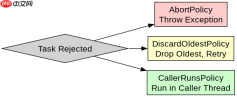
要启用此策略,只需在实例化 ThreadPoolExecutor 时传入该处理器即可。该策略属于 RejectedExecutionHandler 接口的实现之一,其他常见实现包括 AbortPolicy(抛异常)和 CallerRunsPolicy(调用者运行)。选择 DiscardOldestPolicy 通常用于对实时性要求高、允许丢失部分历史任务的场景,例如高频数据采集或日志处理。
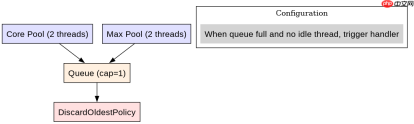
import java.util.concurrent.*;

public class Main {
    public static void main(String[] args) throws InterruptedException {
        // 核心线程数2,最大线程数2,队列容量1
        ThreadPoolExecutor executor = new ThreadPoolExecutor(
            2, 2, 0L, TimeUnit.MILLISECONDS,
            new ArrayBlockingQueue(1),
            new ThreadPoolExecutor.DiscardOldestPolicy()
        );

        // 模拟快速提交多个任务,触发拒绝策略
        for (int i = 0; i  {
                System.out.println("Task " + taskId + " running on " + Thread.currentThread().getName());
                try { Thread.sleep(100); } catch (InterruptedException e) {}
            });
        }

        executor.shutdown();
        executor.awaitTermination(1, TimeUnit.SECONDS);
    }
}
上述代码中,线程池核心与最大线程数均为 2,阻塞队列容量为 1。当第 4 个任务提交时,队列已满且无空闲线程,此时会触发拒绝策略。由于使用了 DiscardOldestPolicy,队列中最旧的任务(假设是任务 0 或 1,取决于执行速度)会被移除,而新任务 3 会被尝试加入队列。最终输出可能包含任务 2、3、4,而任务 0 或 1 被丢弃。
该策略与其他拒绝策略的行为对比
DiscardOldestPolicy 与 AbortPolicy 和 CallerRunsPolicy 的关键区别在于是否丢弃任务以及由谁执行。前者丢弃最旧任务并尝试提交新任务;后者直接抛出 RejectedExecutionException;第三种则由提交任务的线程同步执行新任务,起到背压作用。在实际开发中,若业务逻辑依赖任务顺序或完整性,应避免使用 DiscardOldestPolicy,因为它可能导致数据不一致或逻辑断裂。

FilePond 是一个 JavaScript 文件上传库,支持通过拖拽、粘贴和 API 方式处理文件、目录、URL 和 Data URI。它包含内置的图像优化功能、异步分块上传功能,并提供了适用于 React、Vue、Angular 和 Svelte 的适配器。
import java.util.concurrent.*;

public class ComparePolicies {
    public static void main(String[] args) throws InterruptedException {
        testPolicy("Abort", new ThreadPoolExecutor.AbortPolicy());
        testPolicy("DiscardOldest", new ThreadPoolExecutor.DiscardOldestPolicy());
        testPolicy("CallerRuns", new ThreadPoolExecutor.CallerRunsPolicy());
    }

    private static void testPolicy(String name, RejectedExecutionHandler handler) throws InterruptedException {
        System.out.println("\n--- Policy: " + name + " ---");
        ThreadPoolExecutor executor = new ThreadPoolExecutor(
            1, 1, 0L, TimeUnit.MILLISECONDS,
            new ArrayBlockingQueue(1), handler
        );

        executor.submit(() -> { try { Thread.sleep(200); } catch (InterruptedException e) {} });
        try {
            executor.submit(() -> System.out.println("New task executed"));
        } catch (RejectedExecutionException e) {
            System.out.println(name + ": Threw exception");
        }
        executor.shutdown();
        executor.awaitTermination(1, TimeUnit.SECONDS);
    }
}
运行上述对比代码可观察到:AbortPolicy 会抛出异常;DiscardOldestPolicy 不会抛异常,但可能丢弃之前提交的任务;CallerRunsPolicy 会在主线程中执行新任务,导致主线程阻塞。开发者应根据业务容忍度选择合适的策略。
当队列满时具体哪个任务会被丢弃
在 ArrayBlockingQueue 作为工作队列的情况下,DiscardOldestPolicy 会调用 queue.poll() 移除队首元素,即最早入队的任务。这意味着被丢弃的是“等待时间最长”的任务,而非最近提交的。如果任务提交速度极快,且线程处理较慢,则最先提交的任务最可能被丢弃。开发者需注意,这并不保证按任务 ID 顺序丢弃,而是严格按 FIFO 队列顺序。
Java免费学习笔记:立即使用
解锁 Java 大师之旅:从入门到精通的终极指南


