






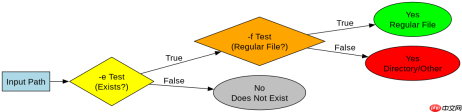
在 shell 脚本中,使用 -e 和 -f 区分判断的核心在于:-e 仅检查文件是否存在(包括目录、设备或普通文件),而 -f 专门检查文件是否为普通文件。若需确保目标存在且为普通文件,应组合使用两者;若只需确认路径存在,使用 -e 即可。
-e 测试普通文件与目录时的行为差异是什么
-e 测试符在遇到普通文件和目录时均返回真(0),无法区分二者。当输入路径指向一个已存在的目录时,-e 依然判定为存在,这可能导致后续对目录执行文件专属操作(如读取内容)时出错。
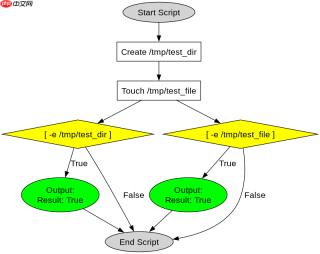
#!/bin/bash
# 创建测试环境
mkdir -p /tmp/test_dir
touch /tmp/test_file

# 测试 -e 对目录的反应
echo "Testing directory with -e:"
if [ -e /tmp/test_dir ]; then
    echo "Result: True (File exists)"
else
    echo "Result: False (File does not exist)"
fi

# 测试 -e 对普通文件的反应
echo "Testing file with -e:"
if [ -e /tmp/test_file ]; then
    echo "Result: True (File exists)"
else
    echo "Result: False (File does not exist)"
fi

# 清理
rm -rf /tmp/test_dir /tmp/test_file
运行上述代码,针对 /tmp/test_dir 和 /tmp/test_file,输出均为 Result: True (File exists)。这证实了 -e 不区分文件类型,只要路径对应的 inode 存在即返回真。
-f 如何排除目录并锁定普通文件
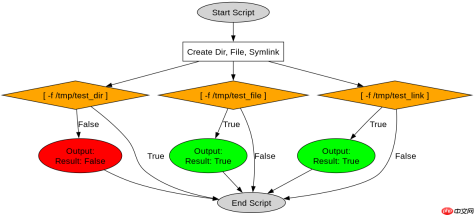
-f 测试符要求路径必须存在且类型为普通文件(regular file)。如果路径是目录、符号链接或设备文件,-f 将返回假(1)。这是验证“这是一个可以读取内容的常规数据文件”的最直接方法。
#!/bin/bash
# 复用之前的测试环境
mkdir -p /tmp/test_dir
touch /tmp/test_file
ln -s /tmp/test_file /tmp/test_link

# 测试 -f 对目录的反应
echo "Testing directory with -f:"
if [ -f /tmp/test_dir ]; then
    echo "Result: True (Is regular file)"
else
    echo "Result: False (Not a regular file)"
fi

# 测试 -f 对普通文件的反应
echo "Testing file with -f:"
if [ -f /tmp/test_file ]; then
    echo "Result: True (Is regular file)"
else
    echo "Result: False (Not a regular file)"
fi

# 测试 -f 对符号链接的反应
echo "Testing symlink with -f:"
if [ -f /tmp/test_link ]; then
    echo "Result: True (Is regular file)"
else
    echo "Result: False (Not a regular file)"
fi

# 清理
rm -rf /tmp/test_dir /tmp/test_file /tmp/test_link
运行结果如下:针对目录 /tmp/test_dir,输出 Result: False;针对普通文件 /tmp/test_file,输出 Result: True;针对符号链接 /tmp/test_link,输出 Result: True(因为 -f 会跟随符号链接检查目标)。这表明 -f 能有效过滤掉目录,但需注意其对符号链接的解析行为。
同时使用 -e 和 -f 处理不存在的路径会发生什么
当路径完全不存在时,-e 和 -f 均返回假。单独使用 -f 已经隐含了存在性检查,因此 -f 足以替代 -e 加 -f 的组合来检查普通文件。但在需要明确区分“文件不存在”和“存在但不是普通文件”的逻辑分支时,先检查 -e 可以提供更清晰的错误提示。
#!/bin/bash
path="/tmp/nonexistent_path"

# 组合判断逻辑
if [ -e "$path" ]; then
    if [ -f "$path" ]; then
        echo "Path exists and is a regular file."
    else
        echo "Path exists but is NOT a regular file (e.g., directory)."
    fi
else
    echo "Path does not exist."
fi
对于不存在的 /tmp/nonexistent_path,程序输出 Path does not exist.。若将路径改为之前创建的目录 /tmp/test_dir,则输出 Path exists but is NOT a regular file (e.g., directory).。这种嵌套结构允许脚本根据具体的失败原因采取不同的恢复措施。


