






在 settimeout 中使用箭头函数可以保持 this,因为箭头函数没有自己的 this,它会捕获定义时所在作用域的 this。只需将回调函数改为箭头函数形式即可。
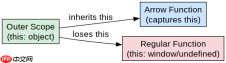
普通函数与箭头函数的 this 区别是什么
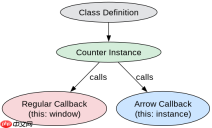
普通函数作为 setTimeout 的回调时,其 this 指向全局对象(浏览器中为 window),而箭头函数则继承外层作用域。这种差异导致在类或对象方法中使用时行为不同。
class Counter {
  constructor() {
    this.count = 0;
  }

  // 使用普通函数
  incrementRegular() {
    setTimeout(function() {
      console.log(this); // window
      this.count++; // 报错:this.count is undefined
    }, 1000);
  }

  // 使用箭头函数
  incrementArrow() {
    setTimeout(() => {
      console.log(this); // Counter 实例
      this.count++; // 正常工作
    }, 1000);
  }
}

const counter = new Counter();
counter.incrementArrow();
运行上述代码后,incrementArrow 能正确访问 this.count,而 incrementRegular 会因 this 指向错误而失败。
如何在不改变 this 的情况下处理回调
除了使用箭头函数,还可以通过 bind 方法显式绑定 this,或者保存 this 引用到变量中。这些方法都能确保回调函数中 this 的正确性。

class Counter {
  constructor() {
    this.count = 0;
  }

  // 使用 bind
  incrementBind() {
    setTimeout(function() {
      console.log(this); // Counter 实例
      this.count++;
    }.bind(this), 1000);
  }

  // 保存 this 引用
  incrementSaveThis() {
    const self = this;
    setTimeout(function() {
      console.log(self); // Counter 实例
      self.count++;
    }, 1000);
  }
}

const counter = new Counter();
counter.incrementBind();
counter.incrementSaveThis();
以上两种方法同样能正确更新 count 属性,且不会引发 this 指向错误。
当 setTimeout 回调中 this 为 undefined 时会发生什么
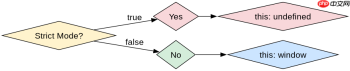
如果在严格模式下使用普通函数作为 setTimeout 的回调,this 将为 undefined,尝试访问其属性会抛出 TypeError。这是 JavaScript 严格模式的特性,旨在防止意外的全局变量污染。
Java免费学习笔记:立即使用
解锁 Java 大师之旅:从入门到精通的终极指南





