






Java 运算符怎么用instanceof避免强转异常
使用 instanceof 运算符可以在执行强制类型转换前检查对象是否属于目标类,从而避免 classcastexception。具体做法是在代码中先写一个条件判断,例如 if (obj instanceof targettype),只有当判断为真时,才进行 (targettype) obj 的强转操作。这样做能确保程序在遇到不兼容的对象时跳过转换逻辑,而不是直接抛出异常中断运行。

如何处理多态集合中的不同子类
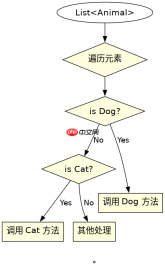
在处理包含多种子类的集合(如 List)时,可以通过遍历并结合 instanceof 来区分对象的具体类型并调用特定方法。针对每个元素,依次判断其是否为 Dog 或 Cat,然后分别执行对应的逻辑。这种模式常用于替代复杂的继承体系或作为重构前的临时解决方案。

使用 Husky 在 JavaScript 仓库中强制执行本地 Git 钩子检查
下载
使用 Husky 将 pre-commit、pre-push 和 commit-msg 检查集成到仓库中,以便代理和开发人员在更改离开工作站之前运行相同的本地防护措施。
import java.util.ArrayList;
import java.util.List;

public class Main {
    public static void main(String[] args) {
        List<animal> animals = new ArrayList();
        animals.add(new Dog());
        animals.add(new Cat());
        animals.add(new Animal());

        for (Animal a : animals) {
            if (a instanceof Dog) {
                Dog d = (Dog) a;
                System.out.println("Dog barking: " + d.bark());
            } else if (a instanceof Cat) {
                Cat c = (Cat) a;
                System.out.println("Cat meowing: " + c.meow());
            } else {
                System.out.println("Unknown animal");
            }
        }
    }
}

class Animal {
    String speak() { return "..."; }
}
class Dog extends Animal {
    String bark() { return "Woof"; }
}
class Cat extends Animal {
    String meow() { return "Meow"; }
}</animal>
instanceof 在 null 值时的行为表现
当 instanceof 左侧的操作数为 null 时,表达式始终返回 false,而不会抛出任何异常。这意味着在检查可能为空的变量时,无需额外添加 != null 的判断,instanceof 本身就能安全地处理空引用情况,简化了代码逻辑。

public class NullCheck {
    public static void main(String[] args) {
        Object obj = null;
        // 即使 obj 是 null,也不会报错,结果为 false
        if (obj instanceof String) {
            System.out.println("Is String");
        } else {
            System.out.println("Not String or null");
        }
    }
}
Java免费学习笔记:立即使用
解锁 Java 大师之旅:从入门到精通的终极指南


