






javascript 构造函数继承属性私有化,核心做法是在子类的构造函数中调用 super() 并返回一个包含私有属性的对象实例。具体而言,子类构造函数内部通过 object.defineproperty 或闭包机制定义私有字段,随后在 return 语句中将其实例化并赋值给 this。这样做能确保私有属性无法被外部直接访问,同时保留原型链上的方法共享。
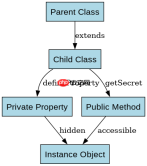
如何通过 super() 实现基础继承与私有化
在 ES6 类语法中,子类必须调用 super() 才能初始化父类属性。为了实现私有化,可以在 super() 之后,利用 Object.defineProperty 将属性定义为不可枚举且不可配置的状态。这种方式的优点是属性完全隐藏,外部代码无法通过 for...in 或 Object.keys() 遍历到它们。
class Parent {
  constructor(name) {
    this.name = name;
  }
  getName() {
    return this.name;
  }
}

class Child extends Parent {
  constructor(name, secret) {
    super(name);
    Object.defineProperty(this, 'secret', {
      value: secret,
      writable: false,
      enumerable: false,
      configurable: false
    });
  }
  getSecret() {
    return this.secret;
  }
}

const child = new Child('Alice', 'TopSecret');
console.log(child.getName()); // Alice
console.log(child.getSecret()); // TopSecret
console.log(Object.keys(child)); // ['name']
上述代码中,Child 类继承了 Parent 的 getName 方法,并通过 Object.defineProperty 定义了私有属性 secret。由于 enumerable 设置为 false,该属性不会出现在 Object.keys() 的结果中,从而实现了私有化。
如何利用闭包实现更严格的私有化
除了使用 Object.defineProperty,还可以利用闭包来实现更严格的私有化。这种方式通过将私有变量定义在构造函数内部,并在原型方法中通过闭包访问,确保外部无法直接修改私有变量。
class Parent {
  constructor(name) {
    this.name = name;
  }
  getName() {
    return this.name;
  }
}

class Child extends Parent {
  constructor(name, secret) {
    super(name);
    const _secret = secret; // 闭包变量
    this.getSecret = function() {
      return _secret;
    };
  }
}

const child = new Child('Bob', 'HiddenSecret');
console.log(child.getName()); // Bob
console.log(child.getSecret()); // HiddenSecret
console.log(child._secret); // undefined
在上面的代码中,_secret 是一个局部变量,仅在 Child 构造函数的作用域内可见。通过 this.getSecret 方法,外部可以访问 _secret 的值,但无法直接修改它。这种方式利用了 JavaScript 的闭包特性,确保了私有变量的安全性。

对比两种方法,Object.defineProperty 方式更简洁,适合大多数场景;而闭包方式则提供了更高的安全性,适合对隐私要求极高的场景。开发者可以根据实际需求选择合适的方式。
基于程序中某个输入、条件或结果的具体问题
在实际开发中,如果子类需要动态修改私有属性,可能会遇到权限控制的问题。例如,当 secret 属性需要通过特定方法更新时,如何确保只有授权的方法才能修改它?
class Parent {
  constructor(name) {
    this.name = name;
  }
  getName() {
    return this.name;
  }
}

class Child extends Parent {
  constructor(name, secret) {
    super(name);
    let _secret = secret; // 闭包变量
    this.getSecret = function() {
      return _secret;
    };
    this.setSecret = function(newSecret) {
      if (newSecret && typeof newSecret === 'string') {
        _secret = newSecret;
      }
    };
  }
}

const child = new Child('Charlie', 'InitialSecret');
console.log(child.getSecret()); // InitialSecret
child.setSecret('NewSecret');
console.log(child.getSecret()); // NewSecret
console.log(child._secret); // undefined
在上述代码中,setSecret 方法用于更新 _secret 的值。通过检查新值的类型和存在性,确保只有合法的字符串才能更新私有属性。这种方式不仅实现了私有化,还增加了权限控制,防止非法修改。
Java免费学习笔记:立即使用
解锁 Java 大师之旅:从入门到精通的终极指南





