






取余控制循环批次时,余数为0表示当前元素正好是批次的最后一个,应触发该批次的处理逻辑并重置计数器。具体做法是在循环中计算 `index % batch_size`,当结果为0且索引不为0时执行批次操作,或者在循环结束后检查是否有剩余元素需要处理。

如何判断当前批次是否已满?
通过比较当前索引与批次大小的模运算结果来判断。如果 `index % batch_size == 0` 且 `index > 0`,说明前一个批次已满,可以提交或处理该批次。这种方法避免了使用额外的标志位,直接利用算术特性确定边界。
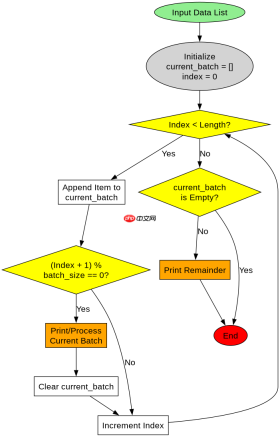
batch_size = 3
data = [1, 2, 3, 4, 5, 6, 7]
current_batch = []

for index, item in enumerate(data):
    current_batch.append(item)
    if (index + 1) % batch_size == 0:
        print(f"Processing batch: {current_batch}")
        current_batch = []

if current_batch:
    print(f"Processing remaining batch: {current_batch}")
预期输出: Processing batch: [1, 2, 3] Processing batch: [4, 5, 6] Processing remaining batch: [7]
如何处理最后不足一个批次的剩余元素?
在循环结束后,检查累积的 current_batch 是否为空。如果不为空,说明有剩余元素未达到完整批次大小,需单独处理。这确保了所有数据都被覆盖,不会遗漏末尾部分。


batch_size = 4
data = [10, 20, 30, 40, 50]
current_batch = []

for index, item in enumerate(data):
    current_batch.append(item)
    if (index + 1) % batch_size == 0:
        print(f"Full batch processed: {current_batch}")
        current_batch = []

# Check for remainder after loop
if current_batch:
    print(f"Remaining items to process: {current_batch}")
预期输出: Full batch processed: [10, 20, 30, 40] Remaining items to process: [50]
基于程序中某个输入、条件或结果的具体问题
当输入列表长度恰好是批次大小的整数倍时,循环结束后的 current_batch 将为空列表,因此不会进入最后的剩余处理分支。例如,若 data 为 [1, 2, 3, 4] 且 batch_size 为 2,则会在索引 1 和 3 处分别触发两次完整批次处理,循环结束后 current_batch 为空,无需额外操作。


