在c#中,从`list

自定义结构体如何影响比较逻辑?
如果结构体实现了`IEquatable
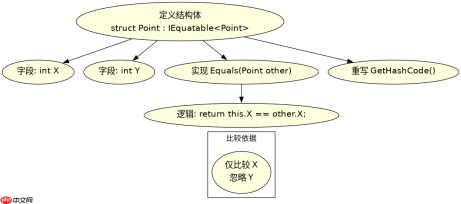
using System;
using System.Collections.Generic;

public struct Point : IEquatable<point>
{
    public int X, Y;
    public bool Equals(Point other)
    {
        // 只比较X,忽略Y
        return this.X == other.X;
    }
    public override bool Equals(object obj) => obj is Point p && Equals(p);
    public override int GetHashCode() => X.GetHashCode();
}

class Program
{
    static void Main()
    {
        var list = new List<point>
        {
            new Point { X = 1, Y = 10 },
            new Point { X = 1, Y = 20 } // Y不同,但X相同
        };

        // 尝试移除 X=1, Y=30 的点
        // 由于实现了IEquatable,且只比较X,所以会匹配第一个元素
        bool removed = list.Remove(new Point { X = 1, Y = 30 });
        Console.WriteLine(removed); // True
        Console.WriteLine(list.Count); // 1
    }
}</point></point>
未实现接口的结构体比较行为是什么?
当结构体未实现`IEquatable

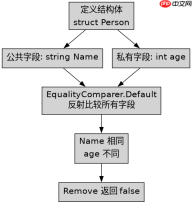
using System;
using System.Collections.Generic;

public struct Person
{
    public string Name;
    private int age; // 私有字段也会被比较

    public Person(string name, int age)
    {
        this.Name = name;
        this.age = age;
    }
}

class Program
{
    static void Main()
    {
        var list = new List<person>
        {
            new Person("Alice", 30)
        };

        // 创建另一个Name相同但age不同的实例
        var target = new Person("Alice", 31);

        // 因为age不同,Remove返回False
        bool removed = list.Remove(target);
        Console.WriteLine(removed); // False
        Console.WriteLine(list.Count); // 1
    }
}</person>
如何验证特定输入下的删除结果?
为了验证上述行为,可以使用相同的输入数据,分别测试实现和未实现`IEquatable