






使用 java.time.instant.now() 即可获取当前时间的 instant 对象,该对象内部以秒和纳秒记录时间戳。若需转换为毫秒级时间戳数值,可调用 toepochmilli() 方法;若需微秒或纳秒级别,则分别使用 toepochmilli() * 1000 + getnano() / 1_000_000 或直接操作底层字段。此 api 基于 utc 时区,不受本地时区影响,适合用于日志、分布式系统时间同步等场景。

如何从 Instant 获取毫秒级时间戳数值?
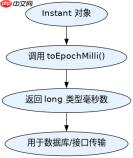
通过调用 toEpochMilli() 方法可将 Instant 转换为自 1970-01-01T00:00:00Z 起的毫秒数。该方法返回的是 long 类型,适用于大多数需要数值型时间戳的接口调用或数据库存储场景。注意:此转换不涉及时区偏移,因为 Instant 本身已代表 UTC 时间点。
import java.time.Instant;

public class Main {
    public static void main(String[] args) {
        Instant now = Instant.now();
        long millis = now.toEpochMilli();
        System.out.println("毫秒时间戳: " + millis);
    }
}
预期输出示例:
毫秒时间戳: 1712345678901
(实际值随运行时间变化)
如何获取纳秒级精度的时间戳?
若需更高精度,可直接访问 getEpochSecond() 和 getNano() 字段组合计算。例如,总纳秒数 = epochSecond * 1_000_000_000L + nanoAdjustment。这种方式避免了浮点运算误差,适合高精度计时或协议序列化场景。需注意:getNano() 仅返回秒内的纳秒部分(0~999,999,999),不能单独作为全局时间戳使用。


import java.time.Instant;

public class Main {
    public static void main(String[] args) {
        Instant now = Instant.now();
        long totalNanos = now.getEpochSecond() * 1_000_000_000L + now.getNano();
        System.out.println("纳秒时间戳: " + totalNanos);
    }
}
预期输出示例:
纳秒时间戳: 1712345678901234567
(实际值随运行时间变化)
当 Instant 为 null 时调用 toEpochMilli() 会抛出什么异常?
若 Instant 实例为 null,直接调用其方法将触发 NullPointerException。这是 Java 空指针异常的典型表现,建议在调用前进行非空校验或使用 Optional 包装。例如:Optional.ofNullable(instant).map(Instant::toEpochMilli).orElse(-1L) 可安全处理空值情况。
大量免费API接口:立即使用
涵盖生活服务API、金融科技API、企业工商API、等相关的API接口服务。免费API接口可安全、合规地连接上下游,为数据API应用能力赋能!


