






javascript 实现多层级构造函数继承的核心做法是结合使用 object.create 建立原型链,并在每一层子类中通过 call 或 apply 调用父类构造函数以初始化实例属性。这样既保证了原型链上方法的共享,又确保了每个实例拥有独立的私有属性。具体操作时,先处理原型继承,再在子类构造函数内部执行父类构造函数的绑定,最后修正 constructor 指向。

如何正确设置子类的原型以继承父类方法
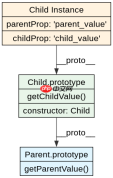
要解决原型链断裂的问题,必须将子类的原型对象设置为父类的一个新实例,或者使用 Object.create 创建基于父类原型的空对象。这样做能让子类实例通过原型链访问到父类定义的方法。关键在于不要直接赋值 Parent.prototype,否则会导致所有子类实例共享同一个原型对象,引发状态污染。
function Parent() {
    this.parentProp = 'parent_value';
}

Parent.prototype.getParentValue = function() {
    return this.parentProp;
};

function Child() {
    // 1. 调用父类构造函数,初始化实例属性
    Parent.call(this);
    this.childProp = 'child_value';
}

// 2. 设置原型继承
Child.prototype = Object.create(Parent.prototype);

// 3. 修正 constructor 指向
Child.prototype.constructor = Child;

Child.prototype.getChildValue = function() {
    return this.childProp;
};

const instance = new Child();
console.log(instance.getParentValue()); // parent_value
console.log(instance.getChildValue());  // child_value
上述代码展示了最基础的单级继承模式。在实际的多层级场景中,每一层都需要重复这一模式:先 call 父类,再 Object.create 父类原型,最后修正 constructor。这种模式确保了 instanceof 检查的正确性,即 instance instanceof Child 和 instance instanceof Parent 均返回 true。
如何在第三层及更深层级中保持原型链完整
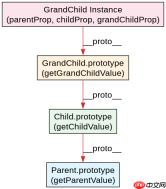
当继承链条延伸到第三层(例如 GrandChild 继承 Child)时,核心逻辑不变,但需要确保每一层的原型都正确指向其直接父类。如果某一层跳过了原型设置,后续层级的方法查找就会中断。同时,必须保证每一层的构造函数都显式调用其直接父类的构造函数,以完成属性的层层初始化。

使用 Husky 将 pre-commit、pre-push 和 commit-msg 检查集成到仓库中,以便代理和开发人员在更改离开工作站之前运行相同的本地防护措施。
function GrandChild() {
    // 调用直接父类 Child 的构造函数
    Child.call(this);
    this.grandChildProp = 'grandchild_value';
}

// GrandChild 继承 Child 的原型
GrandChild.prototype = Object.create(Child.prototype);
GrandChild.prototype.constructor = GrandChild;

GrandChild.prototype.getGrandChildValue = function() {
    return this.grandChildProp;
};

const grandInstance = new GrandChild();
console.log(grandInstance.getParentValue());   // parent_value (来自 Parent)
console.log(grandInstance.getChildValue());    // child_value (来自 Child)
console.log(grandInstance.getGrandChildValue()); // grandchild_value (来自 GrandChild)
在这个三层结构中,GrandChild 的原型链依次指向 Child.prototype 和 Parent.prototype。当调用 getParentValue 时,JavaScript 引擎首先在 GrandChild 实例上查找,未找到则沿原型链向上查找至 Child.prototype,仍未找到则继续向上至 Parent.prototype,最终找到并执行。这种机制允许深层子类无缝访问顶层父类的方法,前提是每一层都严格遵循了原型继承和构造函数调用的规范。
如果父类构造函数抛出异常,子类的初始化会怎样
如果父类构造函数在执行过程中抛出异常,子类的实例化过程将立即终止,导致子类实例无法被创建。这意味着子类构造函数中剩余的代码以及后续的 Object.create 原型设置虽然语法上正确,但在该次实例化操作中不会影响到已失败的实例。开发者需要在父类构造函数中加入防御性编程,或在调用时使用 try...catch 块来捕获异常,以避免程序崩溃。
Java免费学习笔记:立即使用
解锁 Java 大师之旅:从入门到精通的终极指南





