






java 中默认构造方法自动生成的条件是:类中没有定义任何显式的构造方法。一旦你在类中手动编写了任意一个构造方法(无论是否有参数),编译器就不再提供那个无参的默认构造方法。
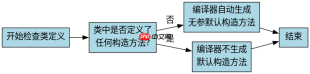
没有定义构造方法时编译器的行为
当类中没有任何构造方法定义时,编译器会自动生成一个无参的、空的构造方法。这个构造方法不执行任何逻辑,只是确保对象可以被实例化。
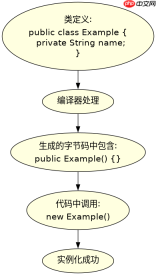
public class DefaultConstructorExample {
    private String name;

    public static void main(String[] args) {
        // 这里会调用编译器自动生成的无参构造方法
        DefaultConstructorExample obj = new DefaultConstructorExample();
        System.out.println("Object created successfully.");
    }
}
运行上述代码,输出为:Object created successfully.。这证明了即使没有显式定义,new 操作依然能成功创建对象。
定义了有参构造方法后的变化
如果你在类中定义了一个带参数的构造方法,编译器将不再自动生成无参构造方法。此时如果尝试使用无参方式实例化对象,会导致编译错误。
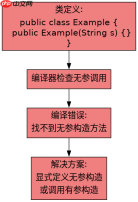

public class CustomConstructorExample {
    private String name;

    // 自定义的有参构造方法
    public CustomConstructorExample(String name) {
        this.name = name;
    }

    public static void main(String[] args) {
        // 这行代码会编译失败,因为无参构造方法不存在
        // CustomConstructorExample obj = new CustomConstructorExample();

        // 必须使用有参构造方法
        CustomConstructorExample obj = new CustomConstructorExample("Test");
        System.out.println("Name: " + obj.name);
    }
}
如果取消注释那行无参实例化的代码,编译器会报错:constructor CustomConstructorExample in class CustomConstructorExample cannot be applied to given types; required: java.lang.String; found: no arguments; reason: actual and formal argument lists differ in length。这说明一旦有了自定义构造方法,默认的无参构造方法就消失了。
基于继承关系中子类构造方法的依赖问题
在继承场景中,子类的构造方法默认会隐式调用父类的无参构造方法。如果父类没有定义任何构造方法,编译器会为父类生成无参构造方法,子类可以正常编译。但如果父类只定义了有参构造方法,而子类没有显式调用父类的有参构造方法,编译器会尝试调用父类不存在的无参构造方法,导致编译错误。
class Parent {
    public Parent(String value) {
        System.out.println("Parent constructor called with: " + value);
    }
}

public class Child extends Parent {
    public Child() {
        // 编译器试图插入 super();,但 Parent 类没有无参构造方法
        // 因此这行代码会导致编译错误
        super();
    }

    public static void main(String[] args) {
        Child child = new Child();
    }
}
修正方法是让子类显式调用父类的有参构造方法:
public class ChildFixed extends Parent {
    public ChildFixed() {
        super("default"); // 显式调用父类有参构造方法
    }

    public static void main(String[] args) {
        ChildFixed child = new ChildFixed();
    }
}
运行修正后的代码,输出为:Parent constructor called with: default。这表明在继承体系中,父类是否提供无参构造方法直接影响子类的构造行为。
Java免费学习笔记:立即使用
解锁 Java 大师之旅:从入门到精通的终极指南


