






java arraylist 使用流式操作归约,核心是调用 stream().reduce() 方法。该方法通过传入初始值、累加器和可选的合并函数,将集合元素逐步聚合为单一结果。对于数值计算,推荐使用 collectors 工具类中的 summingint() 或 reducing();对于对象处理,需定义明确的累加逻辑以处理空值和类型转换。

如何对数字列表进行求和与计数归约
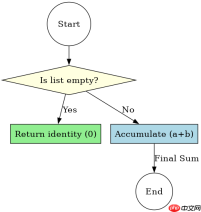
对数字列表进行归约时,直接使用 Collectors.summingInt() 最为简便,它会自动处理遍历和累加过程。若需自定义逻辑,可使用 reduce(identity, accumulator) 形式,其中第一个参数为初始值(如 0),第二个参数为接受两个参数的 Lambda 表达式。此方式返回一个 OptionalInt 或具体类型,避免空指针异常。当列表为空时,reduce 会直接返回初始值,而 collect 则依赖收集器的实现行为。
import java.util.*;
import java.util.stream.Collectors;

public class SumExample {
    public static void main(String[] args) {
        List<integer> numbers = Arrays.asList(1, 2, 3, 4, 5);

        // 使用 Collectors 求和
        int sum = numbers.stream()
                         .collect(Collectors.summingInt(Integer::intValue));
        System.out.println("Sum: " + sum);

        // 使用 reduce 求和
        int reducedSum = numbers.stream()
                                .reduce(0, (a, b) -> a + b);
        System.out.println("Reduced Sum: " + reducedSum);

        // 空列表测试
        List<integer> emptyList = new ArrayList();
        int emptySum = emptyList.stream().reduce(0, Integer::sum);
        System.out.println("Empty Sum: " + emptySum); // 输出 0
    }
}</integer></integer>
如何将对象列表按字段分组并统计数量
将对象列表按特定字段分组并统计数量,应使用 Collectors.groupingBy() 结合 Collectors.counting()。首先通过 groupingBy(Function.identity() 或指定字段) 建立键值映射,然后在下游收集器中应用 counting()。此操作返回一个 Map,其中键为分组依据,值为该组元素的数量。若需进一步过滤或转换,可在下游添加其他收集器,如 mapping() 或 filtering()。


import java.util.*;
import java.util.stream.Collectors;

public class GroupCountExample {
    static class Person {
        String name;
        int age;
        Person(String name, int age) { this.name = name; this.age = age; }
        String getName() { return name; }
        int getAge() { return age; }
    }

    public static void main(String[] args) {
        List<person> people = Arrays.asList(
            new Person("Alice", 30),
            new Person("Bob", 25),
            new Person("Alice", 35),
            new Person("Charlie", 30)
        );

        // 按年龄分组并统计人数
        Map<integer long> ageCounts = people.stream()
            .collect(Collectors.groupingBy(Person::getAge, Collectors.counting()));
        System.out.println(ageCounts); // {25=1, 30=2, 35=1}

        // 按姓名分组并获取所有年龄
        Map<string list>> nameAges = people.stream()
            .collect(Collectors.groupingBy(Person::getName,
                Collectors.mapping(Person::getAge, Collectors.toList())));
        System.out.println(nameAges); // {Alice=[30, 35], Bob=[25], Charlie=[30]}
    }
}</string></integer></person>
当输入列表包含 null 元素时归约结果如何处理
当输入列表包含 null 元素时,流式归约操作会抛出 NullPointerException,除非在流水线中显式过滤掉 null 值。例如,在使用 reduce() 或 collect() 前,应先调用 filter(Objects::nonNull)。此外,若使用 Collectors.toMap() 等可能产生冲突的操作,还需提供合并函数以避免重复键异常。建议在数据源入口处清理 null,或在流处理链中尽早过滤,以确保归约过程的稳定性。
Java免费学习笔记:立即使用
解锁 Java 大师之旅:从入门到精通的终极指南


