






在 java 中,finally 块中的 return 语句会直接覆盖 try 或 catch 块中抛出的异常。要避免这种情况,不要在 finally 中使用 return,而是将返回值保存在局部变量中,在 finally 执行完毕后统一返回该变量。
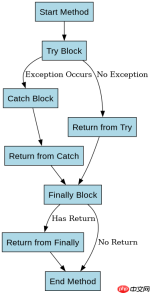
try-catch-finally 的执行顺序是怎样的
Java 的 try-catch-finally 结构中,finally 块无论是否发生异常都会执行。如果 try 或 catch 中有 return,JVM 会先保存返回值,然后执行 finally 块。若 finally 块中也包含 return,它会丢弃之前保存的返回值并直接返回新值;若 finally 抛出异常,则会覆盖之前的返回值或异常。

public class FinallyDemo {
    public static String testReturn() {
        String result = "try";
        try {
            result = "catch";
            throw new RuntimeException("Error");
        } catch (Exception e) {
            result = "handled";
            return result; // 保存 "handled"
        } finally {
            result = "finally"; // 修改变量
            // return result; // 如果取消注释,将覆盖上面的 return
        }
        return result; // 最终返回 "handled"
    }

    public static void main(String[] args) {
        System.out.println(testReturn());
    }
}
如何正确实现资源清理与返回值分离
正确的做法是将返回值和异常处理逻辑与资源清理逻辑分离。使用局部变量存储结果,在 finally 中仅进行资源清理(如关闭流),最后统一返回结果。这样即使 finally 中发生错误,也不会意外改变方法的返回值。

Biome 是一个基于 Rust 的高性能工具链,适用于 JavaScript、TypeScript、JSX、JSON、CSS 和 GraphQL,它将格式化和 linting 统一到一个工具中。具有 97% 的 Prettier 兼容性以及超过 450 条 lint 规则,Biome 以显著更快的执行速度取代了 ESLint 和 Prettier。
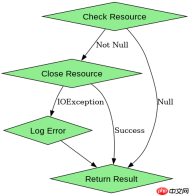
import java.io.*;

public class ResourceCleaner {
    public static String readFile(String path) throws IOException {
        BufferedReader reader = null;
        StringBuilder content = new StringBuilder();
        try {
            reader = new BufferedReader(new FileReader(path));
            String line;
            while ((line = reader.readLine()) != null) {
                content.append(line).append("\n");
            }
            return content.toString(); // 此时尚未返回
        } finally {
            if (reader != null) {
                try {
                    reader.close();
                } catch (IOException e) {
                    // 记录日志,但不影响主流程
                    System.err.println("Close failed: " + e.getMessage());
                }
            }
        }
    }

    public static void main(String[] args) {
        try {
            String text = readFile("test.txt");
            System.out.println(text);
        } catch (IOException e) {
            e.printStackTrace();
        }
    }
}
finally 中 return 对异常状态的影响是什么
当 finally 中包含 return 时,它不仅会覆盖 try/catch 中的返回值,还会导致原本要抛出的异常被静默吞掉。这意味着调用者无法感知到内部发生的错误,可能导致程序处于不一致状态且难以调试。因此,除非有极特殊的场景(如强制终止循环),否则应避免在 finally 中使用 return。
Java免费学习笔记:立即使用
解锁 Java 大师之旅:从入门到精通的终极指南


