






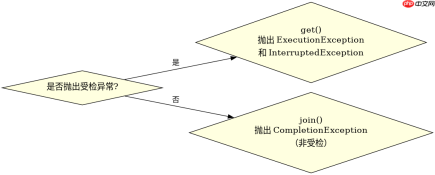
调用 completablefuture 的 join() 方法可以直接获取结果且不抛出受检异常,因为该方法声明抛出的是非受检异常 completionexception。在代码中直接调用 future.join() 即可,若计算过程发生异常,它会被包装进 completionexception 中抛出,调用方无需使用 try-catch 处理受检异常,只需捕获或忽略运行时异常即可。

join() 与 get() 在异常处理上的区别是什么
join() 返回计算结果并屏蔽了受检异常,而 get() 会抛出 ExecutionException 和 InterruptedException 两个受检异常。使用 join() 时,如果底层任务抛出异常,外层只能看到 CompletionException;使用 get() 时,必须显式处理这两个受检异常。对于不需要严格中断控制的场景,join() 更简洁。
import java.util.concurrent.CompletableFuture;

public class JoinExample {
    public static void main(String[] args) {
        CompletableFuture<string> future = CompletableFuture.supplyAsync(() -> {
            if (true) throw new RuntimeException("Task failed");
            return "Success";
        });

        try {
            String result = future.join();
            System.out.println(result);
        } catch (CompletionException e) {
            System.out.println("Caught: " + e.getCause().getMessage());
        }
    }
}</string>
运行上述代码将输出:Caught: Task failed。这验证了 join() 不会抛出受检异常,而是通过 CompletionException 传递错误。
如何在不阻塞主线程的情况下安全获取 join() 的结果
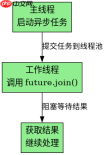
可以在异步上下文中调用 join(),或者在主线程中调用但确保不阻塞关键路径。由于 join() 是阻塞调用,建议在非主线程(如工作线程)中使用,或在 UI 框架中通过回调机制间接获取。若必须在主线程使用,需确认该阻塞是可接受的。

Biome 是一个基于 Rust 的高性能工具链,适用于 JavaScript、TypeScript、JSX、JSON、CSS 和 GraphQL,它将格式化和 linting 统一到一个工具中。具有 97% 的 Prettier 兼容性以及超过 450 条 lint 规则,Biome 以显著更快的执行速度取代了 ESLint 和 Prettier。
import java.util.concurrent.CompletableFuture;
import java.util.concurrent.ExecutorService;
import java.util.concurrent.Executors;

public class SafeJoinExample {
    public static void main(String[] args) {
        ExecutorService executor = Executors.newFixedThreadPool(2);
        CompletableFuture<integer> future = CompletableFuture.supplyAsync(() -> {
            try { Thread.sleep(1000); } catch (InterruptedException e) {}
            return 42;
        }, executor);

        // 在工作线程中调用 join,避免阻塞主线程
        executor.submit(() -> {
            int result = future.join();
            System.out.println("Result in worker: " + result);
        });

        executor.shutdown();
    }
}</integer>
该程序展示了在独立工作线程中调用 join() 以获取结果,从而避免阻塞主线程。输出为:Result in worker: 42。这种方式适用于需要异步处理且后续依赖结果的场景。
当 CompletableFuture 内部抛出非受检异常时,join() 的行为是什么
当内部任务抛出非受检异常(如 RuntimeException)时,join() 会抛出 CompletionException,其 cause 字段包含原始异常。调用者可通过 e.getCause() 获取原始异常信息。这种行为与 get() 类似,但 get() 还会额外抛出 InterruptedException(若被中断)和 ExecutionException(包装所有异常),而 join() 仅抛出 CompletionException。
Java免费学习笔记:立即使用
解锁 Java 大师之旅:从入门到精通的终极指南


