






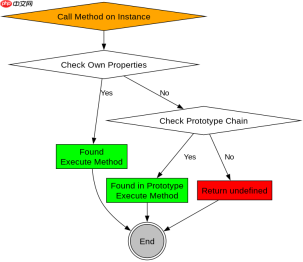
javascript 原型链方法调用通过查找机制工作:当访问对象属性时,引擎先在实例自身查找,未找到则沿 [[prototype]] 链向上搜索至 object.prototype。具体做法是确保方法定义在原型上而非实例中,这样所有实例共享同一份代码并实现继承。若原型链顶端仍未找到属性,则返回 undefined。

如何验证原型链的查找路径
要验证原型链的查找路径,可以使用 Object.getPrototypeOf() 获取对象的原型,或使用 in 操作符检查属性是否存在于原型中。例如,创建一个构造函数并在其原型上添加方法,然后实例化对象,即可观察到方法是从原型而非实例本身获取的。这种机制确保了内存效率和方法的一致性。
function Animal(name) {
    this.name = name;
}

Animal.prototype.speak = function() {
    console.log(this.name + ' makes a noise');
};

const dog = new Animal('Dog');
dog.speak(); // Dog makes a noise
console.log(Object.getPrototypeOf(dog) === Animal.prototype); // true
console.log('speak' in dog); // true
console.log(dog.hasOwnProperty('speak')); // false
原型链中断与修改的影响是什么
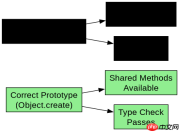
原型链中断通常发生在将原型替换为普通对象(如 Child.prototype = { ... })而未正确设置 constructor 或丢失原有原型引用时。这会导致无法通过 instanceof 正确判断类型,且可能破坏继承链。此外,直接修改原型上的属性会影响所有实例,需谨慎处理。若需自定义原型,应使用 Object.create() 以保持链接完整性。

function Parent() {}
Parent.prototype.parentMethod = function() { return 'parent'; };

function Child() {}
// 错误做法:直接赋值对象,丢失原型链
Child.prototype = { childMethod: function() { return 'child'; } };

const c = new Child();
console.log(c.parentMethod()); // undefined, 原型链断裂
console.log(c instanceof Parent); // false

// 正确做法:使用 Object.create 保持链接
Child.prototype = Object.create(Parent.prototype);
Child.prototype.constructor = Child; // 修复 constructor
Child.prototype.childMethod = function() { return 'child'; };

const c2 = new Child();
console.log(c2.parentMethod()); // parent
console.log(c2 instanceof Parent); // true
基于 Object.prototype 的默认行为问题
基于程序中 Object.prototype 的输入,一个具体问题是如何避免污染全局原型。如果在 Object.prototype 上直接添加方法,所有对象都将继承该方法,可能导致命名冲突或意外行为。最佳实践是在自定义构造函数的原型上添加方法,或使用 Map 等数据结构来管理额外属性,从而保持原型链的清晰和安全性。
Java免费学习笔记:立即使用
解锁 Java 大师之旅:从入门到精通的终极指南





