






在feign调用中处理空响应,最佳实践是配置解码器以支持 optional 类型,并在业务层使用 orelse() 或 ifpresent() 进行安全访问。通过自定义 optionaldecoder 包装默认解码器,可以将 null 响应自动转换为 optional.empty(),从而避免 nullpointerexception。

如何配置 Feign 的 Optional 解码器?
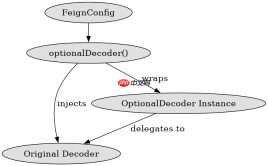
要启用对 Optional 的支持,需要创建一个实现 Decoder 接口的类,并在其中委托给默认的 SpringDecoder。如果解码结果为 null,则返回 Optional.empty();否则返回包含该对象的 Optional。最后,将该解码器注册为 Spring Bean,Feign 会自动将其纳入解码链。
import feign.Response;
import feign.codec.Decoder;
import org.springframework.core.convert.ConversionService;
import org.springframework.http.converter.HttpMessageConverter;
import org.springframework.web.client.RestTemplate;

import java.lang.reflect.Type;
import java.util.Optional;

public class OptionalDecoder implements Decoder {
    private final Decoder delegate;

    public OptionalDecoder(Decoder delegate) {
        this.delegate = delegate;
    }

    @Override
    public Object decode(Response response, Type type) throws Exception {
        Object decoded = delegate.decode(response, type);
        if (decoded == null) {
            return Optional.empty();
        }
        return Optional.of(decoded);
    }
}
在配置类中,将上述解码器注入到 FeignClient 的配置中:

@Configuration
public class FeignConfig {
    @Bean
    public Decoder optionalDecoder(Decoder decoder) {
        return new OptionalDecoder(decoder);
    }
}
如何在接口定义中使用 Optional 接收响应?
在 Feign 客户端接口中,直接将返回值类型声明为 Optional。当服务端返回 404 或空内容时,解码器会将其转换为 Optional.empty(),开发者可以直接调用 isPresent() 或 get() 方法。这种方式使得代码更具语义化,明确表达了“结果可能不存在”的预期。

import feign.RequestLine;
import org.springframework.cloud.openfeign.FeignClient;
import java.util.Optional;

@FeignClient(name = "user-service", url = "http://localhost:8081")
public interface UserClient {
    @RequestLine("GET /users/{id}")
    Optional<user> getUserById(@Param("id") Long id);
}</user>
如何处理 Optional 中的用户数据以避免空指针?
在调用 getUserById 后,应使用 orElse() 提供默认值或使用 ifPresent() 执行操作。例如,若用户不存在,可返回一个默认的用户对象或抛出特定异常。这种处理方式确保了即使远程服务不可用或返回空,本地逻辑也能安全运行,无需额外的 null 检查。
Java免费学习笔记:立即使用
解锁 Java 大师之旅:从入门到精通的终极指南


