






优化原型链过长的核心做法是减少继承层级,优先使用组合模式或扁平化原型结构来替代深层的类式继承。具体而言,应检查代码中是否存在多层 child.prototype = new parent() 的嵌套调用,并将其重构为直接设置原型或使用 object.create 进行浅层继承。这样做能显著缩短属性查找路径,提升运行时性能并降低内存占用。

如何识别深层原型链带来的性能瓶颈
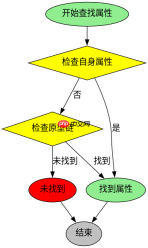
深层原型链会导致 JavaScript 引擎在查找属性时遍历更长的 [[Prototype]] 链条,增加查找开销。可以通过 console.dir() 查看对象的原型链深度,或者使用浏览器开发者工具的 "Memory" 面板分析对象大小和引用关系。当发现多个对象共享一个极深的原型树时,即表明存在性能风险。
function GrandParent() {
    this.level = 'grand';
}

function Parent() {
    this.level = 'parent';
}
Parent.prototype = new GrandParent();

function Child() {
    this.level = 'child';
}
Child.prototype = new Parent();

const obj = new Child();
console.log(obj.level); // 'child'
// 原型链: obj -> Child.prototype -> Parent.prototype -> GrandParent.prototype -> Object.prototype
如何使用组合模式替代深层继承
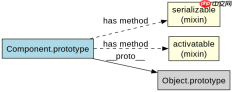
组合模式通过将功能分解为独立的部分,并在实例化时动态组合,从而避免创建深层的原型链。这种方法不仅缩短了查找路径,还提高了代码的可复用性和灵活性。具体实现时,可以将公共方法提取到单独的对象中,然后通过 Object.assign 或自定义 mixin 函数将其合并到目标对象的原型或实例上。

// 定义独立的 mixins
const serializable = {
    serialize: function() { return JSON.stringify(this); }
};

const activatable = {
    activate: function() { console.log('Activated'); }
};

// 定义基础类
function Component(id) {
    this.id = id;
}
Component.prototype.render = function() { console.log('Rendering'); };

// 组合:将 mixin 的方法添加到原型
Object.assign(Component.prototype, serializable, activatable);

const comp = new Component(1);
comp.serialize(); // 可用
comp.activate();  // 可用
comp.render();    // 可用
基于示例输入验证组合模式的效果
在上面的组合模式示例中,Component 的原型链仅包含 Component.prototype 和 Object.prototype,深度仅为 2。相比之下,之前的深层继承示例中,Child 的原型链深度达到了 4。通过对比可以发现,组合模式有效减少了原型链的长度,同时保持了功能的完整性。这种优化在实际项目中能显著提升大型应用的性能。
Java免费学习笔记:立即使用
解锁 Java 大师之旅:从入门到精通的终极指南