






lastelementchild 是 dom 元素的一个只读属性,用于获取当前元素的最后一个子元素节点。它会自动跳过文本节点、注释节点等非元素节点,直接返回最后一个 null。
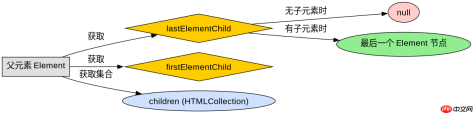
lastElementChild 与 childNodes 的区别是什么
lastElementChild 仅关注元素节点(Node.ELEMENT_NODE),而 childNodes 包含所有类型的子节点,包括文本和注释。使用 lastElementChild 可以避免手动过滤非元素节点,代码更简洁且不易出错。

const container = document.getElementById('container');
// 假设 HTML: <div id="container">
<p>Hello</p>
<!-- comment --><span>World</span>
</div>

console.log(container.childNodes.length); // 4 (p, text, comment, span)
console.log(container.lastElementChild);  // <span>World</span>
console.log(container.lastElementChild.tagName); // "SPAN"

// 对比 childNodes
console.log(container.childNodes[container.childNodes.length - 1]); // <span>...</span> (通常也是最后一个,但需确认类型)
console.log(container.lastElementChild === container.children[container.children.length - 1]); // true
在上述示例中,container 有四个子节点:一个段落、一个文本节点(换行)、一个注释和一个跨度。lastElementChild 直接指向 ,而无需遍历或检查节点类型。

当子元素动态变化时 lastElementChild 会如何更新
lastElementChild 是一个实时属性,每次访问时都会重新计算当前最后一个子元素。因此,在添加或删除子元素后,再次访问该属性将反映最新的状态。

const list = document.getElementById('myList');

// 初始状态:
此代码演示了 lastElementChild 的动态特性。每次调用 appendChild 或 removeChild 后,lastElementChild 的值都会自动更新,无需手动维护索引或缓存引用。
Java免费学习笔记:立即使用
解锁 Java 大师之旅:从入门到精通的终极指南





