






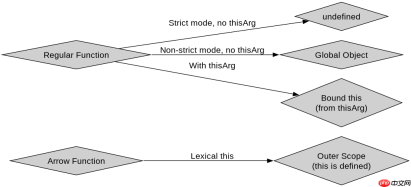
在 javascript 数组方法回调中,`this` 的指向取决于调用该方法的函数是否接受第二个参数 `thisarg`。如果像 foreach、map 或 reduce 这样的方法支持传入 thisarg,你可以直接通过它指定回调内部的 this;如果不支持(如 filter),则需使用箭头函数捕获外层作用域的 this。下面通过具体代码演示这两种场景。

哪些数组方法支持 thisArg 参数
支持 thisArg 参数的数组方法包括 forEach、map、filter、reduce、every、some、find、findIndex、flatMap 和 sort。这些方法在内部执行回调时,会将第二个参数作为回调函数的 this 值。对于不支持该参数的方法,通常是因为其语义不需要绑定上下文,或者开发者习惯使用箭头函数。

const obj = { name: 'Alice', getName: function() { return this.name; } }; const names = ['Bob', 'Charlie']; // 错误用法:this 指向 undefined (严格模式) 或全局对象 // const result = names.map(obj.getName); // 正确用法:传入 thisArg const result = names.map(function(item) { return this.name + ' likes ' + item; }, obj); console.log(result); // ["Alice likes Bob", "Alice likes Charlie"]
箭头函数如何处理 this 丢失问题
当使用箭头函数作为回调时,this 不会创建自己的绑定,而是继承自定义时的外层作用域。这意味着即使数组方法不支持 thisArg,或者你忘记传递它,箭头函数也能正确访问外部对象的 this。这是现代 JavaScript 中处理上下文绑定的常见方式,尤其适用于类方法或对象字面量中的回调。

一个基于源码的 OpenAI Agents SDK JavaScript 和 TypeScript 技术文档。涵盖了代理编排、工具、转接、追踪以及实际安装路径。
class Counter { constructor() { this.count = 0; } incrementAll(items) { // 箭头函数捕获了 Counter 实例的 this items.forEach((item) => { this.count += item; }); } } const counter = new Counter(); counter.incrementAll([1, 2, 3]); console.log(counter.count); // 6
回调中 this 为 undefined 时的行为
如果在严格模式下,且未通过 thisArg 指定上下文,也未使用箭头函数,回调中的 this 将为 undefined。此时尝试访问 this.property 会抛出 TypeError。例如,直接使用类方法作为回调而不绑定上下文时就会发生这种情况。为了避免此问题,应始终显式绑定或使用箭头函数。
Java免费学习笔记:立即使用
解锁 Java 大师之旅:从入门到精通的终极指南