使用 asserttimeout 方法可以断言代码在规定时间内完成。该方法接受一个 duration 类型的超时时间和一个 executable 函数式接口,如果执行时间超过指定时长,将抛出 testabortedexception。

如何为同步代码设置超时断言
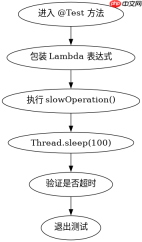
对于普通的同步方法调用,可以直接将逻辑包裹在 assertDoesNotThrow 或 lambda 表达式中传给 assertTimeout。例如,假设有一个耗时操作 slowOperation(),我们可以设定 500 毫秒的超时限制。
import org.junit.jupiter.api.Test;
import static org.junit.jupiter.api.Assertions.assertTimeout;
import java.time.Duration;

public class TimeoutTest {
    @Test
    public void testSyncCode() {
        assertTimeout(Duration.ofMillis(500), () -> {
            // 模拟耗时操作
            slowOperation();
        });
    }

    private void slowOperation() {
        try { Thread.sleep(100); } catch (InterruptedException e) {}
    }
}
运行上述测试,若 slowOperation() 执行时间小于 500 毫秒,测试通过;否则失败。
如何处理异步代码的超时断言
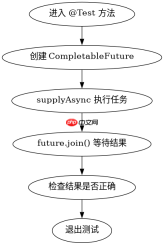
当代码涉及异步执行(如返回 CompletableFuture)时,直接使用 assertTimeout 可能无法正确等待异步结果完成。此时应结合 assertTimeoutPreemptively 或使用 join() 确保主线程等待异步任务结束。

JUnit 5.13.4
下载
JUnit 5.13.4 可用于旧项目兼容性排查;5.13 系列引入参数化测试类并改进测试发现诊断。该分支已不受支持,不建议用于生产项目;对应的 Platform 独立运行包为 1.13.4。
import org.junit.jupiter.api.Test;
import static org.junit.jupiter.api.Assertions.assertTimeoutPreemptively;
import java.time.Duration;
import java.util.concurrent.CompletableFuture;

public class AsyncTimeoutTest {
    @Test
    public void testAsyncCode() {
        assertTimeoutPreemptively(Duration.ofSeconds(2), () -> {
            CompletableFuture<string> future = CompletableFuture.supplyAsync(() -> {
                try { Thread.sleep(1000); } catch (InterruptedException e) {}
                return "Done";
            });
            // 阻塞等待异步结果
            String result = future.join();
            if (!result.equals("Done")) {
                throw new RuntimeException("Unexpected result");
            }
        });
    }
}</string>
注意:assertTimeout 是同步阻塞的,而 assertTimeoutPreemptively 会在超时后中断执行线程。对于异步场景,推荐使用后者并显式调用 join() 以捕获异常。
超时断言在并发环境下的行为表现
在并发环境中,assertTimeout 的行为取决于底层实现。Junit 5 的 assertTimeout 默认在主线程中执行提供的 Executable,因此如果内部包含多线程启动但未等待的情况,可能导致超时判断不准确。建议在使用并发代码时,明确等待所有线程完成后再进行断言验证。