






使用链式调用简化异步流程的核心方法是利用 completablefuture 提供的 thenapply、thenaccept 和 thencompose 方法,将多个异步任务串联起来。通过这种方式,可以避免在回调中嵌套代码,使逻辑线性化。具体做法是:第一个任务完成后,其结果直接传递给下一个任务的输入参数,后续任务依次执行。若中间某步抛出异常,可通过 exceptionally 统一处理,从而保持代码整洁且易于维护。

thenApply 与 thenAccept 的区别是什么
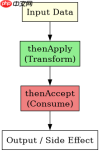
thenApply 用于转换数据并返回新的 CompletableFuture,而 thenAccept 仅消费数据且不返回值。前者适合需要继续处理结果的场景,后者适合执行副作用操作如日志记录或数据库保存。两者都支持链式调用,但返回值类型不同,影响后续链路的构建方式。
import java.util.concurrent.CompletableFuture;

public class AsyncChainDemo {
    public static void main(String[] args) throws Exception {
        CompletableFuture<string> future = CompletableFuture.supplyAsync(() -> "Hello")
                .thenApply(s -> s + " World") // 转换数据
                .thenAccept(System.out::println); // 消费数据

        future.get(); // 阻塞等待结果
    }
}</string>
运行上述代码,控制台将输出 Hello World。第一步 supplyAsync 生成初始字符串,第二步 thenApply 将其拼接为完整句子并返回新 Future,第三步 thenAccept 接收该字符串并打印。由于 thenAccept 不返回值,链条在此终止。若需继续处理,应改用 thenApply 或 thenCompose。
thenCompose 如何处理嵌套异步任务
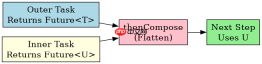
thenCompose 用于扁平化嵌套的 CompletableFuture,当某个异步步骤本身返回另一个 Future 时,使用它可避免得到 Future 这种复杂结构。它将内部 Future 的结果提取出来,作为下一步的输入,从而实现真正的链式流转。这是处理依赖关系的标准做法。

一个基于源码的 OpenAI Agents SDK JavaScript 和 TypeScript 技术文档。涵盖了代理编排、工具、转接、追踪以及实际安装路径。
import java.util.concurrent.CompletableFuture;

public class NestedAsyncDemo {
    public static void main(String[] args) throws Exception {
        CompletableFuture<string> result = CompletableFuture.supplyAsync(() -> "User123")
                .thenCompose(userId -> fetchUserProfile(userId)) // 扁平化嵌套
                .thenApply(profile -> profile.getName().toUpperCase());

        System.out.println(result.get());
    }

    private static CompletableFuture<userprofile> fetchUserProfile(String userId) {
        return CompletableFuture.supplyAsync(() -> new UserProfile("Alice"));
    }
}

class UserProfile {
    private String name;
    public UserProfile(String name) { this.name = name; }
    public String getName() { return name; }
}</userprofile></string>
此程序输出 ALICE。fetchUserProfile 方法模拟了一个独立的异步查询,返回 CompletableFuture。若直接使用 thenApply,会得到一个包含 Future 的对象,无法直接访问 name 字段。而 thenCompose 自动解包,将 UserProfile 实例传递给下一层 thenApply,确保链式调用顺畅进行。这种模式特别适用于微服务间调用或数据库查询等产生额外异步开销的场景。
如果链式调用中某一步抛出异常会怎样
当链式调用中的任何一步抛出未捕获的异常时,整个链条会进入错误状态,后续所有 thenApply 和 thenAccept 都不会执行。此时可以通过 exceptionally 方法注册异常处理器,获取异常对象并提供默认值或替代逻辑。这保证了即使发生错误,程序也不会崩溃,而是能优雅降级或记录日志。例如,可以在网络请求失败时返回缓存数据,或在解析 JSON 出错时返回空对象。
import java.util.concurrent.CompletableFuture;

public class ErrorHandlingDemo {
    public static void main(String[] args) throws Exception {
        CompletableFuture<string> result = CompletableFuture.supplyAsync(() -> {
            if (true) throw new RuntimeException("Simulated error");
            return "Success";
        }).exceptionally(ex -> {
            System.err.println("Error: " + ex.getMessage());
            return "Fallback Value";
        });

        System.out.println(result.get());
    }
}</string>
运行后控制台先打印 Error: Simulated error,然后输出 Fallback Value。exceptionally 接收一个 Function,其中 T 必须与上游 Future 的类型一致。这里上游是 String,所以返回值也是 String。注意 exceptionally 本身也返回 CompletableFuture,因此可以继续链式调用。若不使用 exceptionally 而用 handle,则无论成功与否都会执行,适合需要区分成功/失败状态的场景。
Java免费学习笔记:立即使用
解锁 Java 大师之旅:从入门到精通的终极指南


