






junit 5 中可以使用 thenanswer 方法让模拟对象根据传入的参数动态计算返回值。具体做法是在使用 mockito 进行模拟时,将 answers.calls_real_methods 或自定义的 answer 接口实现传递给 when(...).thenanswer(...) 语句,在 answer 的 answer 方法中提取参数并进行逻辑运算后返回结果。

如何为简单加法函数设置基于参数的模拟?
对于简单的数学运算,可以直接在 thenAnswer 中获取参数并返回它们的和。这种方式适用于不需要复杂状态管理的场景,能够确保每次调用都根据实际输入产生正确的输出。

import org.junit.jupiter.api.Test;
import org.mockito.Mockito;

import static org.mockito.Mockito.*;

public class SimpleAdditionTest {
    @Test
    public void testDynamicAddition() {
        // 创建模拟对象
        Calculator calculator = mock(Calculator.class);

        // 使用 thenAnswer 根据参数计算结果
        when(calculator.add(anyInt(), anyInt())).thenAnswer(invocation -> {
            Integer arg1 = invocation.getArgument(0);
            Integer arg2 = invocation.getArgument(1);
            return arg1 + arg2;
        });

        // 验证行为
        int result = calculator.add(3, 5);
        System.out.println("Result: " + result); // 输出: Result: 8
    }
}

interface Calculator {
    int add(int a, int b);
}
预期结果:
- calculator.add(3, 5) 返回 8
- 类型匹配:返回值为 int
如何处理包含条件判断的复杂参数逻辑?
当模拟逻辑涉及分支判断时,可以在 thenAnswer 内部加入 if-else 结构。例如根据第二个参数决定返回值的正负或是否抛出异常,从而覆盖更多测试路径。

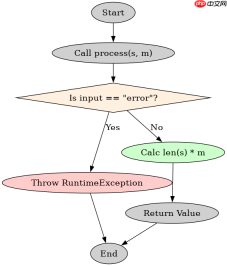
import org.junit.jupiter.api.Test;
import org.mockito.Mockito;

import static org.mockito.Mockito.*;

public class ConditionalLogicTest {
    @Test
    public void testConditionalResponse() {
        Service service = mock(Service.class);

        when(service.process(anyString(), anyInt())).thenAnswer(invocation -> {
            String input = invocation.getArgument(0);
            int multiplier = invocation.getArgument(1);

            if (input.equals("error")) {
                throw new RuntimeException("Invalid input");
            } else {
                return input.length() * multiplier;
            }
        });

        try {
            int res1 = service.process("hello", 2);
            System.out.println("Res1: " + res1); // 输出: Res1: 10
        } catch (Exception e) {
            System.out.println("Caught exception for normal case");
        }

        try {
            service.process("error", 1);
        } catch (RuntimeException e) {
            System.out.println("Caught expected exception: " + e.getMessage());
        }
    }
}

interface Service {
    int process(String s, int m);
}
预期结果:
- service.process("hello", 2) 返回 10
- service.process("error", 1) 抛出 RuntimeException
如果参数为空值会发生什么?
当传入的参数为 null 时,thenAnswer 依然会执行,但需要处理空指针风险。在上面的示例中,如果 input 为 null,直接调用 equals 会导致 NullPointerException。因此,在实际开发中应先检查参数是否为空,或使用安全比较方式。