






torch.clamp 与 torch.clip 在 pytorch 中功能完全一致,均用于将张量元素限制在指定区间内,底层调用同一内核,性能无差异。实际开发中推荐统一使用 torch.clamp 以保持代码风格一致。
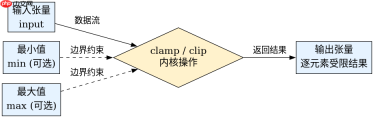
torch.clamp 的输入参数与边界处理逻辑是什么
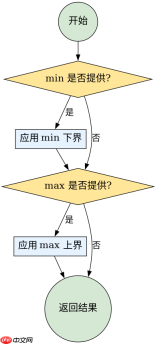
torch.clamp(input, min, max) 接受三个位置参数:输入张量、最小值和最大值。若省略 min 或 max,则对应方向不限制。例如 clamp(x, min=0) 仅下界截断,clamp(x, max=1) 仅上界截断。当输入为标量或零维张量时,行为与多维张量相同,逐元素比较并返回同形状结果。
import torch

def test_clamp_params():
    x = torch.tensor([-2.0, -1.0, 0.0, 1.0, 2.0])

    # 全范围限制
    r1 = torch.clamp(x, min=-1.0, max=1.0)
    print("Full clamp:", r1)  # [-1., -1., 0., 1., 1.]

    # 仅下界
    r2 = torch.clamp(x, min=0.0)
    print("Min only:", r2)     # [0., 0., 0., 1., 2.]

    # 仅上界
    r3 = torch.clamp(x, max=0.0)
    print("Max only:", r3)     # [-2., -1., 0., 0., 0.]

    # 无限制(等价于 copy)
    r4 = torch.clamp(x)
    print("No limit:", r4)      # [-2., -1., 0., 1., 2.]

test_clamp_params()
torch.clip 作为别名如何映射到内部实现
torch.clip 是 torch.clamp 的函数别名,两者指向同一 C++ 内核 at::native::clamp。通过 torch.clip is torch.clamp 可验证其身份一致性。别名存在仅为兼容 NumPy 的 np.clip 命名习惯,不影响执行路径或内存分配。在自定义算子或 JIT 编译场景中,使用任一名称生成的计算图节点类型相同,均为 Clamp 操作。

Nodriver是Undetected-Chromedriver的官方继承者,提供异步浏览器自动化功能,可直接与Chrome DevTools Protocol通信,无需Selenium或WebDriver依赖。专为规避反机器人系统(包括Cloudflare和Imperva)的隐蔽网络自动化而构建。

import torch

def test_alias_identity():
    # 验证别名关系
    assert torch.clip is torch.clamp, "clip should be alias of clamp"

    x = torch.randn(3, 3)
    y1 = torch.clamp(x, -1, 1)
    y2 = torch.clip(x, -1, 1)

    # 数值一致性
    assert torch.allclose(y1, y2), "Results must be identical"

    # 内存独立性(非原地操作)
    assert not torch.shares_memory(x, y1), "Output should not share memory with input"

    print("Alias test passed: clip and clamp are functionally identical")

test_alias_identity()
当输入包含 NaN 时 clamp 和 clip 的行为是否受影响
当输入张量包含 NaN 值时,torch.clamp 和 torch.clip 均不会修改这些值,NaN 会原样保留在输出中。这是因为浮点数比较中 NaN 与任何值(包括自身)的比较结果均为假,导致边界判断跳过,元素保持不变。此行为符合 IEEE 754 标准,且在梯度传播中 NaN 会导致后续计算失效,需在业务层提前清洗。
Python免费学习笔记(深入):立即使用
在学习笔记中,你将探索 Python 的核心概念和高级技巧!