






java 中通过反射获取泛型实际类型参数,核心方法是调用 parameterizedtype 接口的 getactualtypearguments()。由于 java 泛型存在类型擦除,运行时无法直接获取类级别的泛型信息,因此必须从继承链或接口中查找声明了具体泛型参数的父类或接口,提取其 type 对象并强转为 parameterizedtype,进而获取 type[] 数组中的具体类型。

如何获取子类实例化时指定的泛型类型
当子类继承带有泛型的父类时,可以通过 getClass().getGenericSuperclass() 获取父类的泛型类型声明。如果子类在实例化时指定了具体类型(如 new Child),该信息会保留在 ParameterizedType 中。需要遍历当前类的层级结构,找到第一个具有参数化类型的父类,然后提取其实际类型参数。

import java.lang.reflect.ParameterizedType;
import java.lang.reflect.Type;

public class GenericUtils {
    public static Type getGenericType(Class> clazz, int index) {
        Type genericSuperclass = clazz.getGenericSuperclass();
        if (genericSuperclass instanceof ParameterizedType) {
            Type[] actualTypeArgs = ((ParameterizedType) genericSuperclass).getActualTypeArguments();
            if (index >= 0 && index  superClass = clazz.getSuperclass();
        if (superClass != null && !Object.class.equals(superClass)) {
            return getGenericType(superClass, index);
        }
        return null;
    }

    public static void main(String[] args) {
        // 假设有一个泛型基类 BaseDao<t>
        // class User extends BaseDao<user> {}
        // Type type = getGenericType(User.class, 0);
        // System.out.println(type); // 输出: class com.example.User
    }
}</user></t>
上述代码展示了递归查找泛型参数的逻辑。首先检查当前类的直接父类是否为参数化类型,如果是,则直接返回指定索引的类型参数。如果不是,则递归调用父类,直到找到匹配的参数化类型或到达 Object 类。这种方法适用于大多数 ORM 框架或 DAO 层的设计模式。
如何处理接口中的泛型类型参数
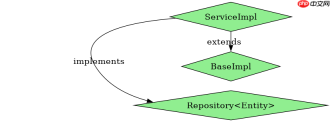
除了继承关系,泛型信息也可能定义在接口中。例如,一个类实现了 Repository 接口。此时需要使用 getGenericInterfaces() 方法获取接口列表,并遍历查找包含目标泛型参数的接口。同样需要将找到的 Type 对象强转为 ParameterizedType 以获取实际类型参数。

一个基于源码的 OpenAI Agents SDK JavaScript 和 TypeScript 技术文档。涵盖了代理编排、工具、转接、追踪以及实际安装路径。
import java.lang.reflect.ParameterizedType;
import java.lang.reflect.Type;

public class InterfaceGenericUtils {
    public static Type getInterfaceGenericType(Class> clazz, String interfaceName, int index) {
        Type[] interfaces = clazz.getGenericInterfaces();
        for (Type iface : interfaces) {
            if (iface instanceof ParameterizedType) {
                ParameterizedType pt = (ParameterizedType) iface;
                Class> rawType = (Class>) pt.getRawType();
                if (rawType.getName().equals(interfaceName)) {
                    Type[] actualTypes = pt.getActualTypeArguments();
                    if (index >= 0 && index  {}
        // Type type = getInterfaceGenericType(UserService.class, "com.example.Repository", 0);
        // System.out.println(type); // 输出: class com.example.User
    }
}
这段代码演示了如何从接口中提取泛型参数。它遍历类实现的所有泛型接口,匹配特定的接口名称,然后提取对应的类型参数。这在处理 Spring Data JPA 或 MyBatis-Plus 等框架的通用 Mapper 时非常有用,因为这些框架通常通过接口来定义数据操作契约。
获取到的 Type 对象可能是什么类型
在调用 getActualTypeArguments() 后,返回的 Type[] 数组中的元素可能是多种不同的 Type 实现类。最常见的是 Class 对象,表示具体的类类型,如 String.class 或 User.class。但也可能是 TypeVariable,表示泛型变量本身(如 T),这通常发生在父类未完全参数化或使用了通配符的情况下。此外,还可能是 ParameterizedType,表示嵌套泛型,如 List 中的 List 部分,或者 WildcardType,表示通配符 ? extends Number。开发者需要根据实际返回的 Type 类型进行相应的处理和判断。
Java免费学习笔记:立即使用
解锁 Java 大师之旅:从入门到精通的终极指南


