






java 中无法直接通过线程池工厂统计已创建线程的总数,因为 threadpoolexecutor 本身不暴露全局计数器。正确做法是继承 threadpoolexecutor 并重写 beforeexecute 和 afterexecute 方法,在任务执行前后维护一个静态或实例级的原子计数器,从而精确追踪活跃线程数。

如何自定义线程池以记录线程生命周期
通过重写 beforeExecute 和 afterExecute 方法,可以在每个任务开始和结束时分别增加和减少活跃线程计数。这种方法比使用 getActiveCount() 更准确,因为它能反映逻辑上的“被调度”状态,且支持跨实例统计。
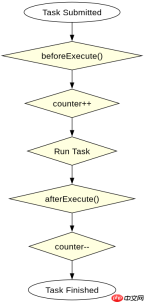
import java.util.concurrent.*;
import java.util.concurrent.atomic.AtomicInteger;

public class CountingThreadPool extends ThreadPoolExecutor {
    private static final AtomicInteger threadCounter = new AtomicInteger(0);

    public CountingThreadPool(int corePoolSize, int maximumPoolSize,
                              long keepAliveTime, TimeUnit unit,
                              BlockingQueue<runnable> workQueue) {
        super(corePoolSize, maximumPoolSize, keepAliveTime, unit, workQueue);
    }

    @Override
    protected void beforeExecute(Thread t, Runnable r) {
        super.beforeExecute(t, r);
        threadCounter.incrementAndGet();
        System.out.println("Thread started: " + t.getName() + ", Active: " + threadCounter.get());
    }

    @Override
    protected void afterExecute(Runnable r, Throwable t) {
        super.afterExecute(r, t);
        threadCounter.decrementAndGet();
        System.out.println("Thread finished: " + Thread.currentThread().getName() + ", Active: " + threadCounter.get());
    }

    public static int getActiveThreadCount() {
        return threadCounter.get();
    }

    public static void main(String[] args) {
        CountingThreadPool pool = new CountingThreadPool(2, 4, 60L, TimeUnit.SECONDS, new LinkedBlockingQueue(10));
        for (int i = 0; i  {
                try { Thread.sleep(1000); } catch (InterruptedException e) {}
            });
        }
        pool.shutdown();
    }
}</runnable>
上述代码定义了一个 CountingThreadPool,它继承了 ThreadPoolExecutor。在 main 方法中,我们提交了 5 个任务,由于核心线程数为 2,前两个任务会立即启动并触发 beforeExecute,计数器变为 2。后续任务进入队列等待。当核心线程完成任务后,它们会被回收或复用,计数器随之递减。最终所有任务完成后,计数器归零。预期输出将显示活跃线程数在 0 到 2 之间波动(取决于队列饱和情况),但不会超过最大线程数 4。
为什么不用 getActiveCount() 进行全局统计
getActiveCount() 仅返回当前正在执行任务的线程数量,不包括排队中的任务,也不提供历史峰值或累计创建量。它受限于单个线程池实例,无法跨多个池子汇总。此外,它在高并发下存在竞态条件风险,不适合用于精确的业务级统计。

一个基于源码的 OpenAI Agents SDK JavaScript 和 TypeScript 技术文档。涵盖了代理编排、工具、转接、追踪以及实际安装路径。

import java.util.concurrent.*;

public class DemoGetActiveCount {
    public static void main(String[] args) throws InterruptedException {
        ThreadPoolExecutor pool = new ThreadPoolExecutor(2, 4, 60L, TimeUnit.SECONDS, new LinkedBlockingQueue(10));

        // 提交任务但不等待完成
        for (int i = 0; i  {
                try { Thread.sleep(2000); } catch (InterruptedException e) {}
            });
        }

        // 立即查询活跃线程数
        System.out.println("Active Count: " + pool.getActiveCount());

        // 等待所有任务完成
        pool.awaitTermination(10, TimeUnit.SECONDS);
        System.out.println("Final Active Count: " + pool.getActiveCount());
    }
}
运行此程序时,getActiveCount() 可能在任务刚提交时返回 2(核心线程数),随后随着任务执行完毕而下降。但它无法告诉我们总共创建了多少线程,也无法区分哪些线程是复用的。因此,对于需要精确统计的场景,必须采用自定义计数器方案。
基于程序中某个输入、条件或结果的具体问题:当任务抛出异常时计数器如何处理
在 afterExecute 中,即使任务抛出未捕获的异常,计数器仍会正常递减,因为 afterExecute 无论任务成功与否都会被调用。这确保了计数的准确性,避免因异常导致计数器泄漏。若需记录异常信息,可在 afterExecute 中检查 Throwable t 参数。
Java免费学习笔记:立即使用
解锁 Java 大师之旅:从入门到精通的终极指南


