






在python中使用pytest测试多线程并发代码稳定性,核心做法是结合 threading 模块与 pytest 的 @pytest.fixture 和 assert 机制。通过创建共享资源(如列表或计数器),启动多个线程执行任务,并在主线程中等待所有线程结束后断言最终状态符合预期。这种方法能有效验证竞态条件和数据一致性。

如何确保多线程操作后的数据一致性
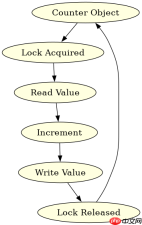
要确保多线程操作后的数据一致性,关键在于使用锁机制保护共享资源,并在测试中验证加锁前后的行为差异。我们可以定义一个包含简单累加逻辑的类,使用 threading.Lock 来防止竞争条件。在测试函数中,实例化该类并启动多个线程进行并发写入,最后检查累计值是否等于理论最大值。
import threading
import pytest

class Counter:
    def __init__(self):
        self.value = 0
        self.lock = threading.Lock()

    def increment(self):
        with self.lock:
            current = self.value
            # 模拟一些处理延迟以放大竞态风险
            self.value = current + 1

def test_concurrent_counter():
    counter = Counter()
    num_threads = 100
    threads = []

    for _ in range(num_threads):
        t = threading.Thread(target=counter.increment)
        threads.append(t)
        t.start()

    for t in threads:
        t.join()

    assert counter.value == num_threads, f"Expected {num_threads}, got {counter.value}"
上述代码中,Counter 类封装了计数逻辑和锁。测试函数 test_concurrent_counter 启动了100个线程,每个线程调用 increment 方法。由于使用了 with self.lock,即使存在上下文切换,value 的增加也是原子性的。最终断言 counter.value 必须严格等于100,否则测试失败。这证明了锁机制有效消除了竞态条件。
如何处理多线程中的异常传播
在处理多线程代码时,线程内抛出的异常通常不会直接传播到主线程,导致测试难以捕获错误。为了解决这个问题,我们需要自定义线程包装器或使用特定的库来收集异常。这里展示一种手动收集异常的通用模式,将异常存储在线程安全的队列中,并在主线程中检查。


import threading
import pytest
from queue import Queue

class ThreadWithException(threading.Thread):
    def run(self):
        self.exception = None
        try:
            super().run()
        except Exception as e:
            self.exception = e

def raise_error():
    raise ValueError("Simulated error")

def test_thread_exception_handling():
    q = Queue()
    threads = []

    for _ in range(5):
        t = ThreadWithException(target=lambda: q.put(raise_error()))
        threads.append(t)
        t.start()

    for t in threads:
        t.join()

    exceptions = []
    while not q.empty():
        try:
            item = q.get_nowait()
            if isinstance(item, Exception):
                exceptions.append(item)
        except Exception:
            pass

    assert len(exceptions) > 0, "No exceptions were raised or caught"
    assert any(isinstance(e, ValueError) for e in exceptions), "Expected ValueError"
这段代码定义了一个继承自 threading.Thread 的 ThreadWithException 类,它在 run 方法中捕获异常并存入实例属性。测试函数 test_thread_exception_handling 启动了5个线程,每个线程都会触发 ValueError。通过 Queue 收集结果后,主线程检查是否有异常被正确捕获和传递。这种模式确保了即使在并发环境下,测试也能准确识别并报告线程内部的错误,从而提升代码的鲁棒性。
基于线程数量增加时的性能退化问题
当线程数量显著增加时,由于锁竞争加剧,程序可能会出现明显的性能退化甚至死锁风险。我们可以通过调整测试中的线程数量,观察完成时间或成功率的变化,来评估系统的并发瓶颈。在实际开发中,应尽量减少临界区代码的长度,或考虑使用无锁数据结构。
Python免费学习笔记(深入):立即使用
在学习笔记中,你将探索 Python 的核心概念和高级技巧!


