






java 中 try-with-resources 是处理实现了 autocloseable 接口的资源的首选方式,它会自动调用 close() 方法并支持异常抑制。与传统的 try-finally 相比,前者代码更简洁且能避免在 finally 块中因再次抛出异常而掩盖原始异常的问题。

传统 try-finally 的异常掩盖问题
在传统写法中,如果 try 块和 finally 块都抛出了异常,finally 中的异常会覆盖 try 中的异常,导致开发者难以定位真正的错误源头。
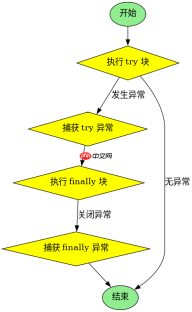
import java.io.*;

public class OldStyleExample {
    public static void main(String[] args) {
        FileInputStream fis = null;
        try {
            fis = new FileInputStream("test.txt");
            // 模拟读取异常
            throw new IOException("Read Error");
        } catch (Exception e) {
            System.out.println("Caught: " + e.getMessage());
        } finally {
            if (fis != null) {
                try {
                    // 模拟关闭异常
                    throw new IOException("Close Error");
                } catch (IOException e) {
                    System.out.println("Finally Caught: " + e.getMessage());
                }
            }
        }
    }
}
try-with-resources 的自动管理与异常抑制
使用 try-with-resources 时,编译器会自动生成调用 close() 的代码。如果资源关闭时发生异常,该异常会被作为“ suppressed ”附加到主异常上,而不是直接抛出,从而保留了原始异常的堆栈信息。

OpenAI Agents SDK JavaScript 工作流工具包
下载
一个基于源码的 OpenAI Agents SDK JavaScript 和 TypeScript 技术文档。涵盖了代理编排、工具、转接、追踪以及实际安装路径。
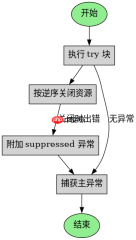
import java.io.*;

public class NewStyleExample {
    public static void main(String[] args) {
        try (FileInputStream fis = new FileInputStream("test.txt")) {
            // 模拟读取异常
            throw new IOException("Read Error");
        } catch (Exception e) {
            System.out.println("Main Exception: " + e.getMessage());
            for (Throwable suppressed : e.getSuppressed()) {
                System.out.println("Suppressed: " + suppressed.getMessage());
            }
        }
    }
}
基于多资源声明顺序的具体问题
当在 try-with-resources 中声明多个资源时,关闭的顺序与声明的顺序相反。这意味着后声明的资源会先被关闭。如果第一个资源的初始化失败,后续资源根本不会被创建或关闭。
Java免费学习笔记:立即使用
解锁 Java 大师之旅:从入门到精通的终极指南


