



在go-zero框架中编写rpc服务,核心做法是定义`.proto`文件并配合`goctl`工具生成代码,随后实现接口逻辑。你需要先配置`rpc.yaml`中的监听地址和数据库连接,然后在生成的`logic.go`中处理业务,最后通过`main.go`启动grpc服务器。这样即可得到一个具备依赖注入、链路追踪和限流能力的标准rpc服务。
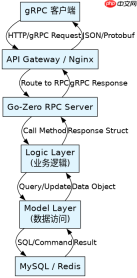
如何定义Proto文件并使用goctl生成代码
定义Proto文件时,需指定syntax版本、包名及消息结构,然后运行`goctl rpc protoc`命令生成对应的Go代码。这一步会自动创建请求/响应结构体、服务接口定义以及基础的Server/Client存根,开发者只需关注业务逻辑填充。生成的代码包含了gRPC的标准通信协议映射,确保客户端与服务端数据结构一致。

package main

import (
	"context"
	"flag"
	"fmt"
	"log"

	"github.com/zeromicro/go-zero/core/conf"
	"github.com/zeromicro/go-zero/core/logx"
	pb "your-module/api/hello/v1" // 假设生成的包路径
	"your-module/internal/config"    // 假设配置结构
	"your-module/internal/svc"       // 假设服务上下文
)

var configFile = flag.String("f", "etc/rpc.yaml", "the config file")

func main() {
	flag.Parse()

	var c config.Config
	conf.MustLoad(*configFile, &c)
	logx.SetUp(logx.LogConf{Mode: "console"})

	server := grpc.NewServer(
		grpc.UnaryInterceptor(interceptor.UnaryServerInterceptor()),
	)
	// 注册生成的服务
	pb.RegisterHelloServiceHandler(server, NewHandler(svc.NewServiceContext(c)))

	if err := server.Start(); err != nil {
		log.Fatal(err)
	}
}

// Handler 实现生成的接口
func NewHandler(ctx *svc.ServiceContext) pb.HelloServiceHandler {
	return &helloServiceImpl{
		ctx: ctx,
	}
}

type helloServiceImpl struct {
	ctx *svc.ServiceContext
}

func (s *helloServiceImpl) SayHello(ctx context.Context, req *pb.HelloRequest) (*pb.HelloResponse, error) {
	// 调用Logic层
	logic := logic.NewSayHelloLogic(ctx, s.ctx.Store)
	resp, err := logic.SayHello(ctx, req)
	if err != nil {
		return nil, err
	}
	return resp, nil
}
如何在Logic层处理业务逻辑与数据库交互
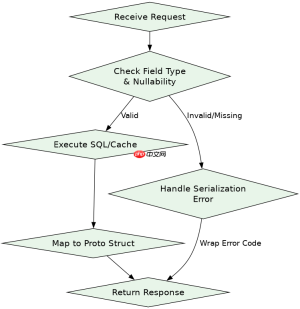
在生成的`logic.go`文件中,通过注入的`Model`或`Store`实例执行数据库查询或缓存操作。Go-Zero的Logic层自动处理事务管理和错误包装,开发者只需编写具体的SQL或ORM调用逻辑。输入参数从Proto定义的Request结构体获取,输出结果组装为Response结构体返回,中间过程可结合Redis或MySQL进行数据持久化。
package logic

import (
	"context"

	"your-module/internal/svc"
	"your-module/internal/model"
	pb "your-module/api/hello/v1"
)

type SayHelloLogic struct {
	ctx context.Context
	svcCtx *svc.ServiceContext
}

func NewSayHelloLogic(ctx context.Context, svcCtx *svc.ServiceContext) *SayHelloLogic {
	return &SayHelloLogic{
		ctx:    ctx,
		svcCtx: svcCtx,
	}
}

func (l *SayHelloLogic) SayHello(in *pb.HelloRequest) (*pb.HelloResponse, error) {
	// 示例:根据ID查询用户
	user, err := l.svcCtx.UserModel.FindOne(l.ctx, in.Id)
	if err != nil {
		return nil, err
	}

	// 组装响应
	return &pb.HelloResponse{
		Name: user.Name,
		Msg:  fmt.Sprintf("Hello %s", user.Name),
	}, nil
}
当Proto字段类型不匹配时如何处理序列化错误
当Proto定义中的字段类型(如int64与string)与实际传入数据不一致,或必填字段缺失时,gRPC底层序列化会直接报错。此时需在Logic层捕获错误并转换为Go-Zero标准的业务错误码,避免将底层gRPC错误直接暴露给客户端。建议在生成代码后,检查所有Required字段是否在前端或上游服务中正确赋值,并在Logic中添加非空校验以提前拦截非法请求。