






使用 completablefuture 的异步回调方法(如 thenapplyasync、thenacceptasync)可以避免阻塞主线程。核心做法是调用静态工厂方法 supplyasync 或 runasync 提交任务,随后链式调用带 async 后缀的处理方法,将后续逻辑自动分发到线程池执行,确保主线程在任务提交后立即返回。

如何提交异步任务并处理结果
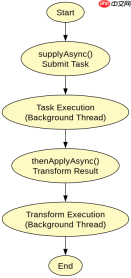
通过 CompletableFuture.supplyAsync() 提交一个返回值的任务,并使用 thenApplyAsync() 对结果进行转换。这两个方法默认使用公共的 ForkJoinPool.commonPool(),不会占用主线程。如果传入自定义 Executor,则可以使用指定的线程池资源。
import java.util.concurrent.CompletableFuture;
import java.util.concurrent.ExecutorService;
import java.util.concurrent.Executors;

public class AsyncExample {
    public static void main(String[] args) throws Exception {
        ExecutorService executor = Executors.newFixedThreadPool(4);

        // 1. 提交异步任务,模拟耗时操作
        CompletableFuture<string> future = CompletableFuture.supplyAsync(() -> {
            try { Thread.sleep(1000); } catch (InterruptedException e) {}
            return "Data";
        }, executor);

        // 2. 添加异步回调,不阻塞主线程
        CompletableFuture<string> resultFuture = future.thenApplyAsync(data -> {
            return data + " Processed";
        }, executor);

        // 3. 获取最终结果(此处仅演示流程,实际应配合其他异步逻辑)
        System.out.println(resultFuture.get());
        executor.shutdown();
    }
}</string></string>
如何处理异常与完成阶段
当异步任务抛出异常时,可以使用 exceptionallyAsync() 进行恢复,或使用 whenCompleteAsync() 记录日志。这些回调同样是非阻塞的,且可以指定执行器。若需等待所有任务完成,可使用 allOf() 组合多个 CompletableFuture。

Mailgun 用于邮件发送和域名操作的 JavaScript SDK
下载
一个围绕官方 Mailgun JavaScript SDK 构建的 ASE 技能,用于从 Node.js 发送电子邮件和管理 Mailgun API 工作流。它适用于需要事务性消息传递、域名感知电子邮件操作、事件处理以及与 Mailgun 平台直接集成的代理任务。

import java.util.concurrent.CompletableFuture;

public class AsyncErrorHandling {
    public static void main(String[] args) {
        CompletableFuture<string> future = CompletableFuture.supplyAsync(() -> {
            throw new RuntimeException("Simulated Error");
        });

        // 异常处理回调
        CompletableFuture<string> recovered = future.exceptionallyAsync(ex -> {
            return "Fallback Value";
        });

        // 完成阶段回调(无论成功或失败都会执行)
        recovered.whenCompleteAsync((result, ex) -> {
            System.out.println("Result: " + result);
        });
    }
}</string></string>
主线程如何非阻塞地获取结果
主线程可以通过 get() 阻塞等待,但更推荐的方式是使用 thenAccept() 注册一个完成时的消费者,或者结合 isDone() 轮询。在实际应用中,通常将后续业务逻辑也包装为异步回调,从而彻底避免主线程的任何等待行为。
Java免费学习笔记:立即使用
解锁 Java 大师之旅:从入门到精通的终极指南


