






java 8 的 hashset 本身不支持并行处理,直接对集合调用 parallelstream() 会导致线程安全问题或数据丢失。正确做法是使用 collectors.tocollection() 配合 concurrenthashmap.newkeyset() 作为收集器,在并行流中安全地构建一个新的 hashset。

如何从 List 并行去重并生成 HashSet
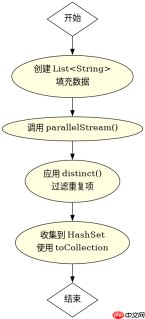
当需要将一个包含大量数据的 List 转换为 HashSet 时,使用并行流可以显著加快处理速度。核心在于指定收集器的目标类型,确保最终结果是一个 HashSet 而非默认的 Set 实现(如 TreeSet)。
import java.util.*;
import java.util.stream.Collectors;

public class ParallelHashSetExample {
    public static void main(String[] args) {
        // 模拟大数据输入
        List<string> dataList = new ArrayList();
        for (int i = 0; i  result = dataList.parallelStream()
                .distinct() // 并行去重
                .collect(Collectors.toCollection(HashSet::new)); // 指定结果为 HashSet

        System.out.println("Result size: " + result.size());
        System.out.println("Result type: " + result.getClass().getName());
    }
}</string>
运行上述代码,预期输出为:
Result size: 100000
Result type: java.util.HashSet
这里的关键是 Collectors.toCollection(HashSet::new)。如果只写 collect(Collectors.toSet()),返回的可能是 TreeSet 或其他实现,且在某些 JDK 版本中并行行为可能不符合预期。使用 toCollection 明确指定了容器类型,保证了结果的确定性。
并行流中 HashSet 的线程安全机制
在并行流中,每个线程会先处理一部分数据,产生局部结果,最后合并。对于 HashSet 这种非线程安全的结构,直接共享会导致 ConcurrentModificationException 或数据覆盖。JDK 内部通过 Collector.Characteristics.CONCURRENT 特性来优化这一过程。

一个围绕官方 Mailgun JavaScript SDK 构建的 ASE 技能,用于从 Node.js 发送电子邮件和管理 Mailgun API 工作流。它适用于需要事务性消息传递、域名感知电子邮件操作、事件处理以及与 Mailgun 平台直接集成的代理任务。
import java.util.*;
import java.util.concurrent.ConcurrentHashMap;
import java.util.stream.Collectors;

public class ConcurrentHashSetDemo {
    public static void main(String[] args) {
        List<integer> numbers = Arrays.asList(1, 2, 2, 3, 3, 4, 5, 5, 6);

        // 使用 ConcurrentHashMap.newKeySet() 创建线程安全的 Set 收集器
        Set<integer> concurrentSet = numbers.parallelStream()
                .collect(Collectors.toCollection(() -> ConcurrentHashMap.newKeySet()));

        System.out.println("Concurrent Set: " + concurrentSet);
    }
}</integer></integer>
运行结果:
Concurrent Set: [1, 2, 3, 4, 5, 6]
虽然 ConcurrentHashMap.newKeySet() 返回的是 ConcurrentHashMap.KeySetView,它在功能上等同于 HashSet 但支持并发修改。如果你必须得到标准的 java.util.HashSet 实例,可以在并行流结束后再包装一次:Set
这样既利用了并行流的性能,又得到了标准 HashSet 对象。
基于输入重复率对 HashSet 构建的影响
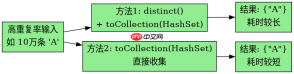
当输入数据中存在大量重复元素时,并行流的 distinct() 操作会触发额外的哈希比较和内存分配。在高重复率场景下,直接使用 Collectors.toCollection(HashSet::new) 而不先 distinct() 可能会更快,因为 HashSet 本身会在插入时自动去重,而 distinct() 需要维护一个中间状态集。
import java.util.*;
import java.util.stream.Collectors;

public class DuplicateImpactTest {
    public static void main(String[] args) {
        List<string> highlyRepeatedData = new ArrayList();
        for (int i = 0; i  set1 = highlyRepeatedData.parallelStream()
                .distinct()
                .collect(Collectors.toCollection(HashSet::new));
        long end1 = System.currentTimeMillis();

        // 方法2:直接 toCollection(利用 HashSet 自身去重)
        long start2 = System.currentTimeMillis();
        Set<string> set2 = highlyRepeatedData.parallelStream()
                .collect(Collectors.toCollection(HashSet::new));
        long end2 = System.currentTimeMillis();

        System.out.println("Method 1 (distinct first): " + (end1 - start1) + "ms, Size: " + set1.size());
        System.out.println("Method 2 (direct collect): " + (end2 - start2) + "ms, Size: " + set2.size());
    }
}</string></string>
在高度重复的数据集中,方法2通常比方法1更快,因为它避免了 distinct() 的额外开销。但最终得到的都是大小为1的 HashSet。开发者应根据实际数据分布选择策略。
Java免费学习笔记:立即使用
解锁 Java 大师之旅:从入门到精通的终极指南


