



javascript 构造函数原型链修复的核心操作是手动将子类的 prototype 对象指向父类的一个实例,并修正该实例的 constructor 属性以维持引用一致性。具体做法是先执行 child.prototype = new parent() 建立继承关系,随后立即执行 child.prototype.constructor = child 修复被覆盖的构造函数指针。这样既实现了属性和方法的共享,又保证了通过 instanceof 检查时类型判断的正确性。

如何正确设置子类原型以继承父类方法
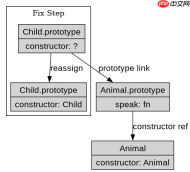
要解决子类无法访问父类方法的问题,必须将子类的原型对象替换为父类实例。这步操作会让子类的所有实例都能通过原型链找到父类定义在 prototype 上的方法。需要注意的是,直接赋值会丢失原型的 constructor 属性,因此必须在设置原型后重新指定它。
function Animal(name) {
    this.name = name;
}

Animal.prototype.speak = function() {
    return this.name + ' makes a noise.';
};

function Dog(name, breed) {
    Animal.call(this, name);
    this.breed = breed;
}

Dog.prototype = new Animal();
Dog.prototype.constructor = Dog;

Dog.prototype.bark = function() {
    return 'Woof!';
};

var myDog = new Dog('Rex', 'German Shepherd');
console.log(myDog.speak()); // Rex makes a noise.
console.log(myDog instanceof Dog); // true
console.log(myDog instanceof Animal); // true
运行上述代码,myDog 能够成功调用 speak 方法,且 instanceof 检查均返回 true。这证明了原型链已正确连接,且构造函数引用已修复。
为什么需要手动修复 constructor 属性
在原型链修复过程中,如果不手动修复 constructor 属性,子类的实例将无法正确识别其构造函数。这是因为将 Child.prototype 设置为 new Parent() 后,新原型对象的 constructor 属性会指向 Parent。这会导致通过 constructor 属性创建的新实例变成父类类型,破坏封装性。

一个围绕官方 Mailgun JavaScript SDK 构建的 ASE 技能,用于从 Node.js 发送电子邮件和管理 Mailgun API 工作流。它适用于需要事务性消息传递、域名感知电子邮件操作、事件处理以及与 Mailgun 平台直接集成的代理任务。

function Parent() {}
function Child() {}

// 错误做法:未修复 constructor
Child.prototype = new Parent();
var childInstance = new Child();
console.log(childInstance.constructor === Parent); // true (错误)
console.log(childInstance.constructor === Child);  // false (错误)

// 正确做法:修复 constructor
Child.prototype.constructor = Child;
var fixedChildInstance = new Child();
console.log(fixedChildInstance.constructor === Child); // true (正确)
对比两段代码,第一段中 childInstance.constructor 指向 Parent,这意味着如果基于此构造函数创建新对象,会得到一个 Parent 实例。第二段通过显式赋值修复了该属性,确保了类型系统的完整性。
使用 Object.create 替代 new 进行原型链修复
虽然 new Parent() 能建立原型链,但它会执行父类构造函数,可能导致不必要的副作用或初始化开销。更现代的做法是使用 Object.create(Parent.prototype) 来创建原型对象。这种方法只复制原型引用,不执行构造函数逻辑,同时仍需修复 constructor 属性。
function Parent(value) {
    this.value = value;
    console.log('Parent initialized');
}

function Child(value) {
    Parent.call(this, value);
}

// 使用 Object.create 修复原型链
Child.prototype = Object.create(Parent.prototype);
Child.prototype.constructor = Child;

Child.prototype.sayValue = function() {
    return this.value;
};

var c = new Child(42);
console.log(c.sayValue()); // 42
console.log(c instanceof Parent); // true
console.log(c instanceof Child); // true
在此示例中,Child 的原型通过 Object.create 链接到 Parent.prototype,避免了 Parent 构造函数的重复执行(除非在 Child 内部通过 Parent.call 显式调用)。这种模式在需要精细控制初始化过程时更为安全。
Java免费学习笔记:立即使用
解锁 Java 大师之旅:从入门到精通的终极指南