在 javascript 中,null 表示“有意为空”,通常用于手动清空变量或作为对象属性的占位符;undefined 表示“未定义”,是变量声明后未赋值、函数参数缺失或对象属性不存在时的默认值。开发者应利用 === 严格区分两者,并在 api 设计中明确约定:用 undefined 表示缺失,用 null 表示空值。
如何检测变量是否已初始化
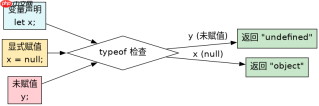
检测变量是否已初始化最直接的方法是使用 typeof 操作符,它会返回 "undefined" 字符串。对于已声明但未赋值的变量,typeof 安全地返回 "undefined",而不会抛出引用错误。若需判断变量是否存在且不为 undefined,可结合 !== undefined 进行显式比较。注意 null 的 typeof 结果为 "object",这是历史遗留 bug,因此不能用 typeof 单独识别 null。
let a; // 未赋值
let b = null; // 显式设为 null

console.log(typeof a); // "undefined"
console.log(typeof b); // "object" (历史遗留)
console.log(a === undefined); // true
console.log(b === null); // true
console.log(a == b); // true (宽松相等时 null 和 undefined 等价)
上述代码展示了 a 为 undefined,b 为 null。使用 === 可以精确区分它们,而 == 会将二者视为相等。在实际开发中,推荐始终使用 === 以避免隐式类型转换带来的混淆。
函数参数缺失与默认值处理
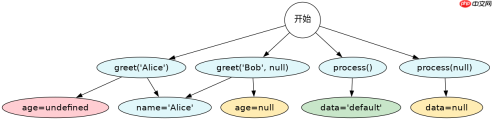
当函数调用时未传递某个参数,该参数在函数体内默认为 undefined。ES6 引入了默认参数语法(如 param = defaultValue),可以在参数为 undefined 时自动赋予默认值。若希望区分“未传参”和“传入 null”,可使用剩余参数或显式检查 === undefined。null 作为实参传入时,不会触发默认值替换,因为 null !== undefined。

使用 Husky 将 pre-commit、pre-push 和 commit-msg 检查集成到仓库中,以便代理和开发人员在更改离开工作站之前运行相同的本地防护措施。
function greet(name, age) {
  console.log('name:', name);
  console.log('age:', age);
}

greet('Alice'); // name: 'Alice', age: undefined
greet('Bob', null); // name: 'Bob', age: null

function process(data = 'default') {
  console.log(data);
}

process(); // 'default' (参数为 undefined)
process(null); // null (null 不是 undefined,不替换)
第一段调用中 age 为 undefined,第二段中 age 为 null。在 process 函数中,未传参时触发默认值,传入 null 时则保留 null。这表明默认参数仅对 undefined 生效,对 null 无效。
基于对象属性访问的具体问题
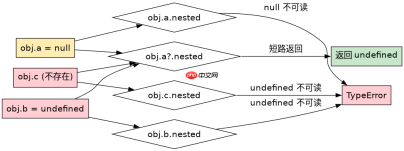
当访问对象中不存在的属性时,JavaScript 返回 undefined。若属性存在但值为 null,则返回 null。这种差异在链式调用中尤为重要:访问 obj.prop.nested 时,若 prop 为 undefined 或 null,继续访问 nested 会抛出 TypeError。可选链操作符 ?. 可在 undefined 或 null 时短路返回 undefined,避免报错。
const obj = { a: null, b: undefined };
console.log(obj.a); // null
console.log(obj.b); // undefined
console.log(obj.c); // undefined (属性不存在)

// 安全访问
console.log(obj.a?.nested); // undefined (不报错)
console.log(obj.b?.nested); // undefined (不报错)
console.log(obj.c?.nested); // undefined (不报错)

// 不安全访问
try {
  console.log(obj.a.nested); // TypeError: Cannot read properties of null
} catch (e) {
  console.log('Error:', e.message);
}
此段代码验证了 obj.a 为 null,obj.b 为 undefined,obj.c 为 undefined(属性不存在)。使用 ?. 可安全处理所有三种情况,返回 undefined。直接访问 obj.a.nested 会因 null 无法读取属性而抛出异常,凸显了 null 和 undefined 在属性访问中的不同行为。
Java免费学习笔记:立即使用
解锁 Java 大师之旅:从入门到精通的终极指南