






箭头函数在异步函数中处理 this 的方式与普通函数不同,它不拥有自己的 this 绑定,而是直接继承定义时所在词法作用域的 this。这意味着无论你在哪里调用该异步函数,或者使用 .call()、.apply() 或 .bind() 如何改变上下文,箭头函数内部的 this 始终指向定义时的对象。这种特性在处理类方法或需要保持外部上下文的回调时非常有用,可以避免常见的 this 丢失问题。

普通函数与箭头函数在类方法中的 this 差异是什么
在 JavaScript 类中,如果使用普通函数定义方法,该方法被提取出来作为回调使用时,其 this 会丢失,通常变为 undefined(严格模式下)或全局对象。而使用箭头函数定义方法,则能自动捕获类实例的 this,确保在任何调用场景下都能正确访问实例属性。下面通过一个具体的类示例来展示这一差异及其在异步操作中的表现。
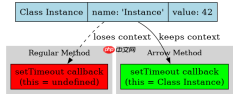
class AsyncHandler {
    constructor() {
        this.name = 'Instance';
        this.value = 42;
    }

    // 普通函数方法
    regularMethod() {
        setTimeout(function() {
            console.log('Regular this:', this);
        }, 100);
    }

    // 箭头函数方法
    arrowMethod() {
        setTimeout(() => {
            console.log('Arrow this:', this);
        }, 100);
    }

    // 异步箭头函数
    async asyncArrowMethod() {
        const result = await Promise.resolve(this.value * 2);
        console.log('Async Arrow result:', result, 'this.name:', this.name);
    }
}

const handler = new AsyncHandler();

// 测试普通函数
handler.regularMethod(); // this 为 undefined (strict mode)

// 测试箭头函数
handler.arrowMethod();   // this 为 handler 实例

// 测试异步箭头函数
handler.asyncArrowMethod(); // this 为 handler 实例,result 为 84
运行上述代码后,控制台输出如下:
- Regular this: 输出 undefined(在严格模式下)。
- Arrow this: 输出 AsyncHandler { name: 'Instance', value: 42 }。
- Async Arrow result: 输出 84 和 this.name: Instance。
这证明了箭头函数在异步环境中依然保持对定义时 this 的引用,而普通函数则会失去上下文。对于需要在异步回调中访问实例数据的场景,箭头函数是更可靠的选择。
在 Promise 链中使用箭头函数如何处理 this
当在 Promise 链中使用 .then() 或 .catch() 时,如果传入的是普通函数,this 同样可能丢失。使用箭头函数可以确保在链式调用的每一步都保持相同的 this 上下文。这在处理需要共享状态的多步异步操作中非常关键。以下代码展示了如何在 Promise 链中利用箭头函数保持 this 的一致性。

使用 Husky 将 pre-commit、pre-push 和 commit-msg 检查集成到仓库中,以便代理和开发人员在更改离开工作站之前运行相同的本地防护措施。

class DataProcessor {
    constructor(data) {
        this.data = data;
        this.processed = false;
    }

    processWithArrows() {
        return Promise.resolve(this.data)
            .then((value) => {
                console.log('Step 1 this:', this === this ? 'Same' : 'Different');
                this.processed = true;
                return value * 2;
            })
            .then((value) => {
                console.log('Step 2 this:', this === this ? 'Same' : 'Different');
                return value + 10;
            })
            .catch((error) => {
                console.error('Error in this context:', this);
            });
    }
}

const processor = new DataProcessor(5);
processor.processWithArrows().then(result => {
    console.log('Final result:', result, 'processed:', processor.processed);
});
运行结果:
- Step 1 this: Same
- Step 2 this: Same
- Error in this context: 未触发
- Final result: 20, processed: true
可以看到,在 Promise 链的每个 .then() 回调中,this 始终指向 DataProcessor 实例,因为箭头函数继承了 processWithArrows 方法定义时的 this。这使得在异步流程中管理实例状态变得简单且安全。
当异步箭头函数内部抛出异常时 this 是否受影响
即使异步箭头函数内部发生错误或被拒绝,其 this 绑定也不会改变。异常处理逻辑(如 .catch() 或 try...catch)仍然在同一个词法作用域内执行,因此 this 依然指向定义时的对象。这确保了即使在错误处理路径中,也能正确访问实例数据以记录日志或清理资源。以下代码验证了这一点。
class ErrorLogger {
    constructor() {
        this.logEntries = [];
    }

    async riskyOperation() {
        try {
            throw new Error('Simulated failure');
        } catch (error) {
            this.logEntries.push({ error: error.message, timestamp: Date.now() });
            console.log('Caught error, this.logEntries length:', this.logEntries.length);
        }
    }
}

const logger = new ErrorLogger();
logger.riskyOperation().then(() => {
    console.log('Log entries after error:', logger.logEntries);
});
运行结果:
- Caught error, this.logEntries length: 1
- Log entries after error: [{ error: 'Simulated failure', timestamp: ... }]
这表明,即使在 catch 块中,this 依然有效,允许我们正常更新实例状态。这种一致性简化了错误处理代码的编写,无需担心上下文切换。
Java免费学习笔记:立即使用
解锁 Java 大师之旅:从入门到精通的终极指南





