





javascript 中箭头函数不能用于继承机制,因为箭头函数没有自己的 this、arguments、super 和 new.target,且无法通过 new 关键字实例化。在实现类继承时,必须使用普通函数作为构造函数或原型方法,以确保正确的上下文绑定和原型链查找。
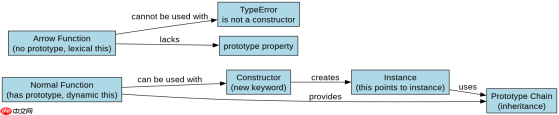
为什么普通函数能作为构造函数而箭头函数不行
普通函数可以作为构造函数使用,是因为它们拥有独立的 this 绑定,当使用 new 调用时,this 会指向新创建的实例对象。而箭头函数的 this 是在定义时就确定的,始终指向定义时的外层作用域,因此无法在实例化时动态绑定到新的实例上。此外,普通函数具有 prototype 属性,这是实现原型链继承的关键,而箭头函数没有 prototype 属性。
function Animal(name) {
    this.name = name;
}

Animal.prototype.speak = function() {
    console.log(`${this.name} makes a sound.`);
};

function Dog(name, breed) {
    Animal.call(this, name); // 调用父类构造函数
    this.breed = breed;
}

// 设置原型链,使 Dog 继承 Animal
Dog.prototype = Object.create(Animal.prototype);
Dog.prototype.constructor = Dog;

Dog.prototype.speak = function() {
    console.log(`${this.name} barks.`);
};

const myDog = new Dog('Rex', 'German Shepherd');
myDog.speak(); // 输出: Rex barks.
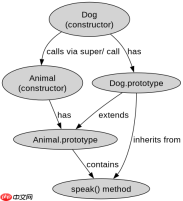
上述代码展示了如何使用普通函数实现继承。首先定义父类 Animal 和子类 Dog。通过 Animal.call(this, name) 在子类构造函数中调用父类构造函数,以初始化从父类继承的属性。然后使用 Object.create(Animal.prototype) 将子类的原型设置为父类原型的实例,从而建立原型链。最后,在子类原型上定义自己的方法。创建 Dog 实例后,可以正确调用继承自 Animal 的方法以及子类自己的方法。
箭头函数在继承中的具体限制表现
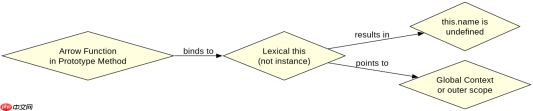
如果尝试使用箭头函数作为构造函数或原型方法,会导致错误或非预期的行为。例如,使用箭头函数定义构造函数时,由于没有 prototype 属性,无法通过原型链共享方法。同时,箭头函数内部的 this 不会指向新实例,导致属性绑定失败。在原型方法中使用箭头函数也会使 this 指向全局对象或定义时的上下文,而不是实例对象,从而无法访问实例属性。

FilePond 是一个 JavaScript 文件上传库,支持通过拖拽、粘贴和 API 方式处理文件、目录、URL 和 Data URI。它包含内置的图像优化功能、异步分块上传功能,并提供了适用于 React、Vue、Angular 和 Svelte 的适配器。
// 错误的示例:使用箭头函数作为构造函数
const Cat = (name) => {
    this.name = name; // this 不指向新实例,可能为 undefined 或全局对象
};

try {
    const myCat = new Cat('Whiskers'); // TypeError: Cat is not a constructor
} catch (e) {
    console.error(e.message); // 输出: Cat is not a constructor
}

// 错误的示例:使用箭头函数作为原型方法
function Bird(name) {
    this.name = name;
}

Bird.prototype.fly = () => {
    console.log(`${this.name} is flying.`); // this.name 可能未定义
};

const myBird = new Bird('Tweety');
myBird.fly(); // 输出: undefined is flying. 或报错
第一个错误示例展示了使用箭头函数作为构造函数的后果。由于箭头函数没有 prototype 属性,使用 new 调用时会抛出 TypeError。第二个错误示例展示了在原型方法中使用箭头函数的问题。此时,this 不指向 Bird 实例,而是指向定义时的上下文(通常是全局对象),导致 this.name 为 undefined。这些例子清楚地说明了为什么在 JavaScript 继承机制中不能使用箭头函数。
基于 ES6 Class 语法中 super 关键字的限制
在 ES6 的 class 语法中,super 关键字用于调用父类的方法或构造函数。然而,super 只能在普通函数或 class 的方法中使用,不能在箭头函数中使用。这是因为箭头函数没有自己的 super 绑定,它会在词法作用域中查找 super,而这通常是不存在的或不符合预期的。因此,在子类中重写父类方法并需要调用父类实现时,必须使用普通函数。
class Vehicle {
    constructor(type) {
        this.type = type;
    }

    describe() {
        return `This is a ${this.type}.`;
    }
}

class Car extends Vehicle {
    constructor(model) {
        super('Car'); // 调用父类构造函数
        this.model = model;
    }

    // 必须使用普通函数,以便正确使用 super
    describe() {
        return `${super.describe()} Model: ${this.model}.`;
    }
}

const myCar = new Car('Sedan');
console.log(myCar.describe()); // 输出: This is a Car. Model: Sedan.
该代码展示了如何在 ES6 class 中使用 super。在 Car 类的构造函数中,使用 super('Car') 调用 Vehicle 的构造函数。在 describe 方法中,使用 super.describe() 调用父类的方法。这里 describe 方法必须是一个普通函数,因为箭头函数无法正确解析 super。如果使用箭头函数定义 describe,将会导致 ReferenceError 或无法访问父类方法。这进一步强调了在继承机制中避免使用箭头函数的重要性。
Java免费学习笔记:立即使用
解锁 Java 大师之旅:从入门到精通的终极指南