






java nio 本身并不直接提供基于 future 的异步结果获取机制,因为传统的 selector 模型是同步阻塞的。要实现类似效果,必须将非阻塞的通道操作封装在 completablefuture 中,通过线程池执行轮询逻辑来获取数据。

如何将 Channel 读取封装为 Future
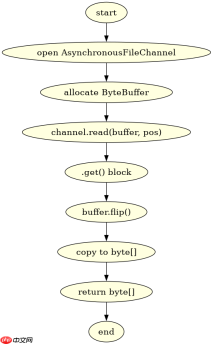
核心做法是使用 Executors.newFixedThreadPool 提交任务,在任务内部调用 channel.read() 并处理 0 返回值的情况,最终返回读取到的字节数组或包装对象。
import java.nio.ByteBuffer;
import java.nio.channels.AsynchronousFileChannel;
import java.nio.file.Path;
import java.nio.file.Paths;
import java.util.concurrent.*;

public class NioFutureExample {
    public static void main(String[] args) throws Exception {
        Path path = Paths.get("test.txt");
        ExecutorService executor = Executors.newSingleThreadExecutor();

        // 提交异步任务
        CompletableFuture<byte> future = CompletableFuture.supplyAsync(() -> {
            try (AsynchronousFileChannel channel = AsynchronousFileChannel.open(path)) {
                ByteBuffer buffer = ByteBuffer.allocate(1024);
                int bytesRead = channel.read(buffer, 0).get(); // 这里用 get() 等待完成
                buffer.flip();
                byte[] data = new byte[bytesRead];
                buffer.get(data);
                return data;
            } catch (Exception e) {
                throw new RuntimeException(e);
            }
        }, executor);

        // 获取结果
        byte[] result = future.get();
        System.out.println(new String(result));
        executor.shutdown();
    }
}</byte>
上述代码展示了使用 AsynchronousFileChannel 配合 CompletableFuture 的标准模式。注意 read 方法返回的是 Future,需要在其内部调用 .get() 阻塞直到 I/O 完成,然后将结果提取出来作为外层 CompletableFuture 的值返回。
如何处理多路复用中的异步回调
在使用 Selector 进行多路复用时,无法直接获得单个操作的 Future,通常采用“事件驱动+状态机”的方式,将每个连接的状态封装在自定义对象中,并通过 CountDownLatch 或 CompletableFuture 模拟 Future 行为。

FilePond 是一个 JavaScript 文件上传库,支持通过拖拽、粘贴和 API 方式处理文件、目录、URL 和 Data URI。它包含内置的图像优化功能、异步分块上传功能,并提供了适用于 React、Vue、Angular 和 Svelte 的适配器。

import java.io.IOException;
import java.net.InetSocketAddress;
import java.nio.ByteBuffer;
import java.nio.channels.SelectionKey;
import java.nio.channels.Selector;
import java.nio.channels.SocketChannel;
import java.util.Iterator;
import java.util.Set;
import java.util.concurrent.CompletableFuture;

public class SelectorFutureWrapper {
    private Selector selector;
    private SocketChannel channel;
    private CompletableFuture<string> responseFuture;

    public SelectorFutureWrapper() throws IOException {
        this.selector = Selector.open();
        this.channel = SocketChannel.open();
        this.channel.configureBlocking(false);
        this.responseFuture = new CompletableFuture();
    }

    public void connectAndRead(InetSocketAddress address) throws IOException {
        channel.register(selector, SelectionKey.OP_CONNECT);
        channel.connect(address);

        while (!selector.selectedKeys().isEmpty()) {
            Iterator<selectionkey> it = selector.selectedKeys().iterator();
            while (it.hasNext()) {
                SelectionKey key = it.next();
                it.remove();
                if (key.isConnectable()) {
                    if (channel.finishConnect()) {
                        channel.register(selector, SelectionKey.OP_READ);
                        ByteBuffer buf = ByteBuffer.allocate(1024);
                        channel.read(buf); // 实际业务需循环读取
                        buf.flip();
                        responseFuture.complete(new String(buf.array()).trim());
                    }
                }
            }
        }
    }

    public CompletableFuture<string> getResponse() {
        return responseFuture;
    }
}</string></selectionkey></string>
该示例展示了如何在 Selector 循环中拦截 OP_CONNECT 和 OP_READ 事件,并在数据就绪时主动完成 CompletableFuture。这种方式避免了在线程池中轮询,而是利用操作系统的事件通知机制,更符合 NIO 的设计哲学。
当 read 返回 0 时 Future 会怎样
如果 channel.read() 返回 0,表示当前没有数据可读但连接未关闭。在异步封装中,这通常意味着需要继续等待或触发重试逻辑,而不是直接结束 Future。若直接返回空数组,调用者可能误以为数据传输完毕。
Java免费学习笔记:立即使用
解锁 Java 大师之旅:从入门到精通的终极指南


