






java nio 使用 reactor 模式处理高并发,核心在于将网络 i/o 操作与业务逻辑处理分离,通过单线程或线程池管理多个 channel 的 i/o 事件。具体做法是创建一个主 reactor 线程负责监听新连接并分发任务,以及一个或多个从 reactor 线程池负责已建立连接的读写操作,从而避免阻塞调用导致的高并发性能瓶颈。
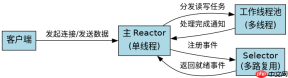
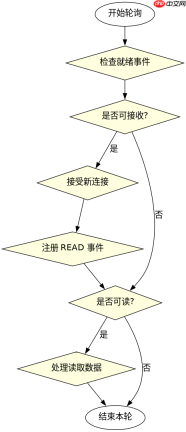
Reactor 模式如何分发新连接请求
Reactor 模式通过多路复用器(Selector)轮询就绪事件来分发新连接。当有新连接到达时,Selector 检测到 ACCEPT 事件,主 Reactor 线程接受该连接并将其注册到负责读写的 Selector 上,随后触发 READ 事件由工作线程处理后续数据。
import java.io.IOException;
import java.net.InetSocketAddress;
import java.nio.channels.SelectionKey;
import java.nio.channels.Selector;
import java.nio.channels.ServerSocketChannel;
import java.nio.channels.SocketChannel;
import java.util.Iterator;
import java.util.Set;

public class ReactorServer {
    private final Selector selector;
    private final ServerSocketChannel serverChannel;

    public ReactorServer(int port) throws IOException {
        this.selector = Selector.open();
        this.serverChannel = ServerSocketChannel.open();
        this.serverChannel.configureBlocking(false);
        this.serverChannel.bind(new InetSocketAddress(port));
        // 注册 ACCEPT 事件
        this.serverChannel.register(selector, SelectionKey.OP_ACCEPT);
    }

    public void run() throws IOException {
        while (true) {
            int readyCount = selector.select();
            if (readyCount == 0) continue;
            Set<selectionkey> selectedKeys = selector.selectedKeys();
            Iterator<selectionkey> iterator = selectedKeys.iterator();
            while (iterator.hasNext()) {
                SelectionKey key = iterator.next();
                iterator.remove();
                if (key.isAcceptable()) {
                    handleAccept(key);
                } else if (key.isReadable()) {
                    handleRead(key);
                }
            }
        }
    }

    private void handleAccept(SelectionKey key) throws IOException {
        SocketChannel clientChannel = ((ServerSocketChannel) key.channel()).accept();
        clientChannel.configureBlocking(false);
        // 将新连接注册到同一个 Selector 监听 READ 事件
        clientChannel.register(selector, SelectionKey.OP_READ);
    }

    private void handleRead(SelectionKey key) throws IOException {
        SocketChannel channel = (SocketChannel) key.channel();
        // 实际业务中应使用 ByteBuffer 读取数据
        System.out.println("Received data from client");
    }

    public static void main(String[] args) throws IOException {
        new ReactorServer(8080).run();
    }
}</selectionkey></selectionkey>
如何确保读写操作不阻塞主线程
通过将非阻塞 Channel 的读写操作绑定到独立的线程池或使用异步回调机制,确保主 Reactor 线程仅负责事件分发而不执行耗时的 I/O 读写。在 Java NIO 中,通常将 READ/WRITE 事件的处理逻辑提交给工作线程池,或者在主线程中快速完成数据拷贝后交由业务线程处理。

KeystoneJS 是一个功能强大的开源无头 CMS,适用于 Node.js,它根据您的模式定义自动生成 GraphQL API 和基于 React 的管理界面。由 Thinkmill 构建,支持 PostgreSQL 和 SQLite、自定义访问控制、钩子、虚拟字段和基于文档的富文本编辑。

import java.io.IOException;
import java.net.InetSocketAddress;
import java.nio.ByteBuffer;
import java.nio.channels.SelectionKey;
import java.nio.channels.Selector;
import java.nio.channels.ServerSocketChannel;
import java.nio.channels.SocketChannel;
import java.util.Iterator;
import java.util.Set;
import java.util.concurrent.ExecutorService;
import java.util.concurrent.Executors;

public class ThreadedReactorServer {
    private final Selector selector;
    private final ServerSocketChannel serverChannel;
    private final ExecutorService workerPool;

    public ThreadedReactorServer(int port, int threadCount) throws IOException {
        this.selector = Selector.open();
        this.serverChannel = ServerSocketChannel.open();
        this.serverChannel.configureBlocking(false);
        this.serverChannel.bind(new InetSocketAddress(port));
        this.serverChannel.register(selector, SelectionKey.OP_ACCEPT);
        // 创建线程池处理读写业务
        this.workerPool = Executors.newFixedThreadPool(threadCount);
    }

    public void run() throws IOException {
        while (true) {
            int readyCount = selector.select();
            if (readyCount == 0) continue;
            Set<selectionkey> selectedKeys = selector.selectedKeys();
            Iterator<selectionkey> iterator = selectedKeys.iterator();
            while (iterator.hasNext()) {
                SelectionKey key = iterator.next();
                iterator.remove();
                if (key.isAcceptable()) {
                    handleAccept(key);
                } else if (key.isReadable()) {
                    // 提交读写任务到线程池,避免阻塞 Selector 循环
                    workerPool.submit(() -> handleRead(key));
                }
            }
        }
    }

    private void handleAccept(SelectionKey key) throws IOException {
        SocketChannel clientChannel = ((ServerSocketChannel) key.channel()).accept();
        clientChannel.configureBlocking(false);
        clientChannel.register(selector, SelectionKey.OP_READ);
    }

    private void handleRead(SelectionKey key) {
        try {
            SocketChannel channel = (SocketChannel) key.channel();
            ByteBuffer buffer = ByteBuffer.allocate(1024);
            channel.read(buffer); // 非阻塞读取
            // 模拟耗时业务处理
            processBusinessLogic(buffer.array());
        } catch (IOException e) {
            e.printStackTrace();
        }
    }

    private void processBusinessLogic(byte[] data) {
        // 模拟业务逻辑
        System.out.println("Processing data: " + new String(data));
    }

    public static void main(String[] args) throws IOException {
        new ThreadedReactorServer(8080, 4).run();
    }
}</selectionkey></selectionkey>
如何处理单个连接上的多次读写事件
对于单个连接上的多次读写事件,Reactor 模式依赖 SelectionKey 的状态保持和 Selector 的持续轮询。每次读写完成后,如果仍有数据需要处理或连接保持活跃,需重新注册相应的 OP_READ 或 OP_WRITE 事件,确保 Selector 能继续捕获该 Channel 的后续状态变化。
Java免费学习笔记:立即使用
解锁 Java 大师之旅:从入门到精通的终极指南


