






php 8.6.0 弃用 finally 块中的 return 语句,迁移方案是移除 finally 中的 return,将返回值提取到 finally 之前或统一在函数末尾返回。具体做法是将 try-catch 结构中的逻辑收敛,确保只有唯一的出口点,这样既符合新规范又能保持原有行为。
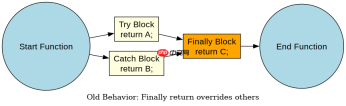
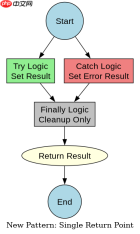
try-catch-finally 中 return 的冲突与合并
当 try、catch 和 finally 块中都存在 return 语句时,PHP 8.5 及更早版本的行为是 finally 的返回值会覆盖前面的返回值。在 PHP 8.6.0 中,这种覆盖行为被标记为弃用,因为它是导致 bug 的主要来源。解决这个问题的核心思路是消除多个返回路径,让代码只在一个地方决定返回值。
<?php function processWithReturn($input) {
    $result = null;
    try {
        if ($input === 'error') {
            throw new Exception('Input error');
        }
        $result = $input * 2;
        // 旧写法:这里 return 会被 finally 覆盖
        // return $result;
    } catch (Exception $e) {
        $result = 'caught';
        // 旧写法:这里 return 也会被 finally 覆盖
        // return $result;
    } finally {
        // 旧写法:这个 return 会覆盖上面所有的 return
        // return 'finally';

        // 新写法:清理资源或记录日志,不返回
        echo "Cleanup done\n";
    }
    // 新写法:统一在这里返回
    return $result;
}

var_dump(processWithReturn('ok')); // string(4) "okok"
var_dump(processWithReturn('error')); // string(6) "caught"
?
使用局部变量替代隐式返回值传递
对于复杂的嵌套逻辑,直接修改 return 位置可能导致代码可读性下降。更好的做法是使用一个局部变量来承载最终结果,并在 finally 块结束后统一返回该变量。这种方法不仅解决了弃用警告,还使得控制流更加清晰,避免了因 finally 强制覆盖而导致的意外行为。

Build MCP servers and clients for PHP applications with the official PHP SDK
下载
使用官方Model Context Protocol PHP SDK将PHP应用程序功能暴露为MCP工具、资源和提示,用于代理工作流。

<?php function complexProcess($data) {
    $finalValue = null;
    $status = 'pending';

    try {
        if (!isset($data['value'])) {
            throw new InvalidArgumentException('Missing value');
        }
        $finalValue = intval($data['value']);
        $status = 'success';
    } catch (InvalidArgumentException $e) {
        $finalValue = -1;
        $status = 'error';
    } catch (TypeError $e) {
        $finalValue = 0;
        $status = 'type_error';
    } finally {
        // 执行必要的清理工作
        $status .= '_completed';
        // 注意:这里不要 return
    }

    // 根据状态和值构建最终结果
    return [
        'value' => $finalValue,
        'status' => $status
    ];
}

print_r(complexProcess(['value' => '10']));
// Array
// (
//     [value] => 10
//     [status] => success_completed
// )
?
finally 中抛出异常对返回值的影响
如果 finally 块中抛出了异常,那么无论 try 或 catch 中是否有 return,函数都会立即终止并向上抛出该异常,原有的返回值将被丢弃。在迁移过程中,必须检查 finally 块内是否包含可能抛出异常的代码。如果有,需要将其包裹在独立的 try-catch 中,或者确保它不会失败,以免破坏预期的返回逻辑。
php免费学习视频:立即使用
踏上前端学习之旅,开启通往精通之路!从前端基础到项目实战,循序渐进,一步一个脚印,迈向巅峰!