






在 completionstage 的链式调用中,使用 handleasync 处理异步结果的核心做法是传入一个实现 bifunction 的函数式接口。该接口接收上游阶段的结果(可能为 null)和异常(可能为 null),通过判断哪个参数非空来决定返回正常值还是默认值,从而安全地转换或降级数据。

handleAsync 如何处理成功与失败两种状态
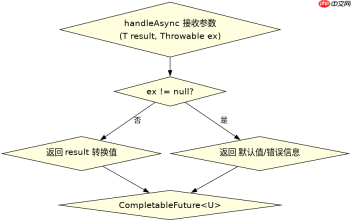
当需要同时处理成功结果和异常时,handleAsync 是唯一能同时拿到这两个参数的方法。它不抛出异常,而是将异常封装在参数中,允许开发者统一进行逻辑分支处理。
import java.util.concurrent.CompletableFuture;
import java.util.concurrent.ExecutionException;

public class HandleExample {
    public static void main(String[] args) throws ExecutionException, InterruptedException {
        CompletableFuture<string> future = CompletableFuture.supplyAsync(() -> {
            // 模拟业务逻辑
            return "Success";
        });

        // 使用 handleAsync 处理结果
        CompletableFuture<string> handled = future.handleAsync((result, ex) -> {
            if (ex != null) {
                return "Error: " + ex.getMessage();
            }
            return result.toUpperCase();
        });

        System.out.println(handled.get());
    }
}</string></string>
handleAsync 与 thenApplyAsync 的区别是什么
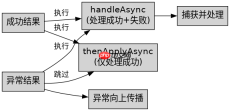
thenApplyAsync 只能处理成功结果,如果上游抛出异常,它会直接传递给下游的异常处理器。而 handleAsync 始终会被执行,即使上游失败,它也会收到 null 值和异常对象,适合做兜底逻辑。

import java.util.concurrent.CompletableFuture;
import java.util.concurrent.ExecutionException;

public class CompareAsync {
    public static void main(String[] args) throws ExecutionException, InterruptedException {
        // 场景1:成功情况
        CompletableFuture<string> successFuture = CompletableFuture.supplyAsync(() -> "Data");

        // 场景2:失败情况
        CompletableFuture<string> failFuture = CompletableFuture.supplyAsync(() -> {
            throw new RuntimeException("Fail");
        });

        // thenApplyAsync 在失败时不会执行,会传播异常
        try {
            String result = failFuture.thenApplyAsync(s -> s.toUpperCase()).get();
        } catch (Exception e) {
            System.out.println("thenApply caught: " + e.getCause().getMessage());
        }

        // handleAsync 在失败时依然执行
        String handledResult = failFuture.handleAsync((s, ex) ->
            ex != null ? "Handled" : s.toUpperCase()
        ).get();
        System.out.println("handledResult: " + handledResult);
    }
}</string></string>
handleAsync 中如何根据输入条件返回特定类型
在实际开发中,经常需要根据上游结果的类型或内容,返回不同类型的对象。例如,当结果为空字符串时返回默认对象,否则返回解析后的实体。这种基于条件的类型转换可以通过 handleAsync 中的三元运算符或 if-else 块轻松实现。
Java免费学习笔记:立即使用
解锁 Java 大师之旅:从入门到精通的终极指南


