






使用 executors.newcachedthreadpool() 可以创建一个可根据需要创建新线程的线程池,它适合执行大量短期异步任务。调用该方法会返回一个 threadpoolexecutor 实例,其核心线程数为 0,最大线程数为 integer.max_value,空闲线程存活时间为 60 秒,并绑定一个无界的 synchronousqueue。提交的任务会被立即尝试放入队列或直接创建新线程执行,但需注意该池在负载过高时可能耗尽系统资源。

如何正确提交任务并处理异常
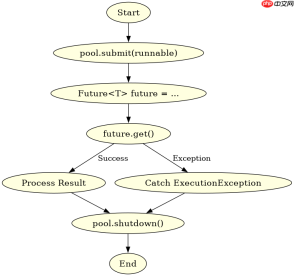
向 newCachedThreadPool 提交任务时,应通过 execute() 或 submit() 方法传入 Runnable 或 Callable 对象。若使用 execute(),未捕获的异常会导致线程终止且不易察觉;推荐使用 submit() 获取 Future 对象以便后续检查异常。例如,提交一个简单的打印任务并等待结果完成,可确保程序行为可控。
import java.util.concurrent.*;

public class CachedPoolDemo {
    public static void main(String[] args) {
        ExecutorService pool = Executors.newCachedThreadPool();
        try {
            Future<string> future = pool.submit(() -> {
                System.out.println("Task running in: " + Thread.currentThread().getName());
                return "Done";
            });
            String result = future.get(); // 阻塞直到任务完成
            System.out.println("Result: " + result);
        } catch (InterruptedException | ExecutionException e) {
            e.printStackTrace();
        } finally {
            pool.shutdown();
        }
    }
}</string>
上述代码中,submit() 返回的 Future 允许我们获取任务返回值或通过 get() 捕获 ExecutionException。任务执行完毕后,必须调用 shutdown() 以释放线程资源。若任务抛出运行时异常,future.get() 将抛出 ExecutionException,包装了原始异常。
为什么 newCachedThreadPool 可能导致 OOM
newCachedThreadPool 的最大线程数为 Integer.MAX_VALUE,且使用无界队列 SynchronousQueue。当任务提交速度远超处理速度时,线程池会不断创建新线程而非复用已有线程。由于没有上限约束,JVM 堆内存可能被大量线程栈和对象占用,最终引发 OutOfMemoryError。因此,在高并发场景下应避免直接使用此工厂方法,而应改用自定义 ThreadPoolExecutor 设置合理的最大线程数和拒绝策略。


import java.util.concurrent.*;

public class SafePoolExample {
    public static void main(String[] args) {
        // 替代 newCachedThreadPool 的安全做法
        ThreadPoolExecutor safePool = new ThreadPoolExecutor(
            0,              // corePoolSize: 0
            100,            // maxPoolSize: 限制最大线程数
            60L, TimeUnit.SECONDS, // keepAliveTime
            new SynchronousQueue<runnable>(),
            new ThreadPoolExecutor.CallerRunsPolicy() // 拒绝策略
        );

        for (int i = 0; i  {
                System.out.println("Task " + taskId + " by " + Thread.currentThread().getName());
                try { Thread.sleep(100); } catch (InterruptedException e) {}
            });
        }
        safePool.shutdown();
    }
}</runnable>
该示例展示了如何通过显式构造 ThreadPoolExecutor 来规避 newCachedThreadPool 的风险。设置 maxPoolSize=100 限制了线程数量,CallerRunsPolicy 作为拒绝策略可在队列满时由调用线程直接执行任务,从而防止任务丢失。这种配置保留了缓存线程池的灵活性,同时增加了可控性。
基于任务提交速率的具体问题:如何监控线程池状态
在实际使用中,监控 newCachedThreadPool 的活动线程数和队列状态有助于判断是否接近资源瓶颈。虽然 newCachedThreadPool 本身不提供内置监控接口,但可通过继承 ThreadPoolExecutor 并重写 afterExecute 方法来记录任务执行情况。例如,统计成功完成任务数和异常次数,可帮助开发者评估线程池的健康状况。
import java.util.concurrent.*;

public class MonitoredCachedPool extends ThreadPoolExecutor {
    private int completedTasks = 0;
    private int failedTasks = 0;

    public MonitoredCachedPool() {
        super(0, Integer.MAX_VALUE, 60L, TimeUnit.SECONDS,
              new SynchronousQueue<runnable>());
    }

    @Override
    protected void afterExecute(Runnable r, Throwable t) {
        super.afterExecute(r, t);
        if (t == null) {
            completedTasks++;
        } else {
            failedTasks++;
            System.err.println("Task failed: " + t.getMessage());
        }
    }

    public void printStats() {
        System.out.println("Completed: " + completedTasks + ", Failed: " + failedTasks);
    }
}

public class Main {
    public static void main(String[] args) {
        MonitoredCachedPool pool = new MonitoredCachedPool();
        pool.submit(() -> { throw new RuntimeException("Test error"); });
        pool.submit(() -> System.out.println("Success"));
        pool.shutdown();
        try { Thread.sleep(1000); } catch (InterruptedException e) {}
        pool.printStats();
    }
}</runnable>
通过重写 afterExecute,可以在每个任务结束后自动更新计数器。这种方式无需外部工具即可实现基本监控。注意,MonitoredCachedPool 仍保留 newCachedThreadPool 的特性,但增加了可观测性。在生产环境中,建议结合 JMX 或第三方监控库进行更全面的指标采集。
Java免费学习笔记:立即使用
解锁 Java 大师之旅:从入门到精通的终极指南


