






在 completionstage.tocompletionstage() 中使用函数式接口,核心在于利用其返回的 completablefuture 提供的链式方法(如 thenapply、thenaccept),这些方法直接接受实现了 java.util.function.function 或 consumer 等接口的 lambda 表达式。具体做法是调用源阶段的转换方法并传入对应的 lambda,这样就能将异步结果无缝传递给函数式逻辑进行处理。

thenApply 如何配合 Function 处理返回值
thenApply 方法接收一个 Function 函数式接口,用于对上游阶段的结果进行转换并返回新值。例如,当有一个获取用户 ID 的阶段时,可以通过 thenApply 将其转换为大写字符串。该操作会阻塞等待上游完成,然后执行 Lambda 中的逻辑,最终返回一个新的 CompletableFuture 对象,其中包含转换后的结果。
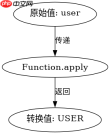
import java.util.concurrent.CompletableFuture;
import java.util.concurrent.ExecutionException;

public class Main {
    public static void main(String[] args) throws ExecutionException, InterruptedException {
        CompletableFuture<string> stage = CompletableFuture.completedFuture("user");

        // 使用 Function 将输入转为大写
        CompletableFuture<string> result = stage.thenApply(s -> s.toUpperCase());

        System.out.println(result.get());
    }
}</string></string>
thenAccept 如何配合 Consumer 消费数据
thenAccept 方法接收一个 Consumer 函数式接口,用于对上游结果进行副作用处理(如打印或保存),且不返回任何值(返回 void)。这适用于只需要读取结果而不需要修改它或产生新值的场景。与 thenApply 不同,thenAccept 返回的是 CompletableFuture,因此不能继续通过返回值进行链式数据转换。

使用Atmosphere构建通过WebSocket、SSE、gRPC、WebTransport、MCP、A2A和AG-UI流传输的JVM代理网关,并带有治理钩子。
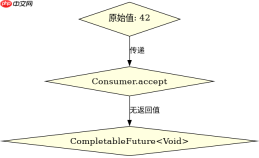
import java.util.concurrent.CompletableFuture;
import java.util.concurrent.ExecutionException;

public class Main {
    public static void main(String[] args) throws ExecutionException, InterruptedException {
        CompletableFuture<integer> stage = CompletableFuture.completedFuture(42);

        // 使用 Consumer 消费结果,无返回值
        CompletableFuture<void> result = stage.thenAccept(System.out::println);

        result.get();
    }
}</void></integer>
异常处理中 exceptionally 的使用条件
当使用 exceptionally 方法处理异常时,它接收一个 Function 接口。如果上游阶段抛出异常,Lambda 表达式将被触发,并必须返回一个同类型的默认值以恢复流程。若未提供此处理,异常将向下游传播并导致后续阶段失败。此机制确保了即使发生错误,程序仍能通过返回兜底值来维持异步链路的连续性。
Java免费学习笔记:立即使用
解锁 Java 大师之旅:从入门到精通的终极指南


