






在 java 单元测试中测试私有方法,最直接且符合封装原则的做法是使用 reflectiontestutils.invokemethod(spring 提供)或 java.lang.reflect api 强制调用。通过反射获取目标方法的 method 对象,设置 setaccessible(true) 后传入实例和参数执行,即可绕过访问限制验证内部逻辑。若项目依赖 spring 测试模块,推荐前者以简化样板代码;否则使用标准反射实现。

如何使用 Spring ReflectionTestUtils 调用私有方法
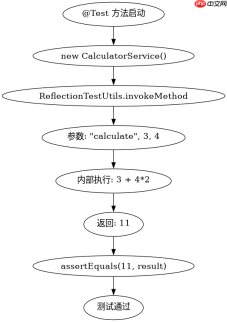
当项目中已引入 spring-test 依赖时,可以直接使用 ReflectionTestUtils 工具类。该工具封装了反射细节,只需传入目标对象、方法名和可变参数列表即可。这种方式代码简洁,无需处理 IllegalAccessException 等受检异常,适合快速验证私有逻辑。以下示例展示了如何在一个包含私有计算方法的类中进行测试。
import org.junit.jupiter.api.Test;
import org.springframework.test.util.ReflectionTestUtils;

import static org.junit.jupiter.api.Assertions.assertEquals;

public class CalculatorServiceTest {

    // 待测服务类
    public static class CalculatorService {
        private int calculate(int a, int b) {
            return a + b * 2;
        }
    }

    @Test
    void testPrivateMethodWithSpring() {
        CalculatorService service = new CalculatorService();

        // 直接调用私有方法 "calculate",传入参数 3 和 4
        // 预期结果: 3 + (4 * 2) = 11
        Integer result = (Integer) ReflectionTestUtils.invokeMethod(
            service,
            "calculate",
            3,
            4
        );

        assertEquals(11, result);
    }
}
上述代码中,ReflectionTestUtils.invokeMethod 自动处理了可见性检查。如果方法重载,需确保参数类型匹配或通过 Class>[] 指定签名。此方法返回 Object,需根据实际返回值类型进行强转。若私有方法抛出异常,断言应捕获并验证异常类型而非返回值。
如何使用标准 Java 反射 API 调用私有方法
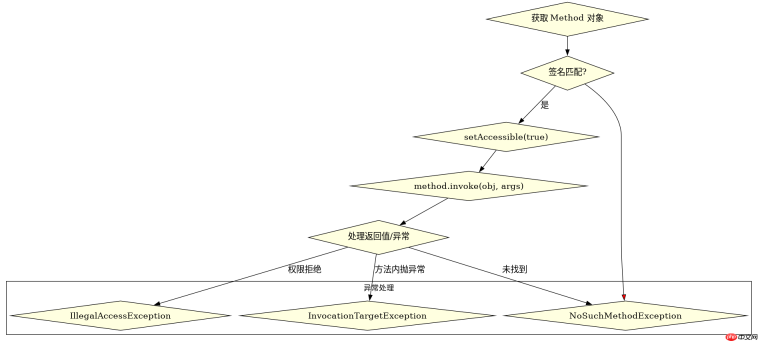
在不依赖 Spring 框架的纯 Java 环境中,必须使用 java.lang.reflect.Method。步骤包括:通过 getDeclaredMethod 获取方法对象,调用 setAccessible(true) 忽略访问控制,最后使用 invoke 执行。这种方法更底层,但兼容性最好,适用于任何 Java 版本和项目结构。

使用Atmosphere构建通过WebSocket、SSE、gRPC、WebTransport、MCP、A2A和AG-UI流传输的JVM代理网关,并带有治理钩子。
import org.junit.jupiter.api.Test;

import java.lang.reflect.Method;

import static org.junit.jupiter.api.Assertions.assertEquals;

public class CalculatorServiceReflectTest {

    public static class CalculatorService {
        private int calculate(int a, int b) {
            return a + b * 2;
        }
    }

    @Test
    void testPrivateMethodWithStandardReflection() throws Exception {
        CalculatorService service = new CalculatorService();

        // 1. 获取私有方法对象,指定方法名和参数类型
        Method method = CalculatorService.class.getDeclaredMethod("calculate", int.class, int.class);

        // 2. 取消访问检查
        method.setAccessible(true);

        // 3. 执行方法,传入实例和参数
        Object result = method.invoke(service, 3, 4);

        // 4. 验证结果
        assertEquals(11, result);
    }
}
使用标准反射时,getDeclaredMethod 需要精确匹配参数类型,例如 int.class 而非 Integer.class。如果私有方法是泛型或包含复杂类型,需仔细核对签名。invoke 返回的是包装后的对象,基本类型会自动装箱。若方法无返回值,invoke 将返回 null,此时应验证副作用(如状态变更)而非返回值。
私有方法返回值为 null 时如何处理
当私有方法因输入条件(如空值校验)直接返回 null 或执行早期退出时,反射调用依然有效,但需注意断言逻辑。若方法返回基本类型(如 int),则不可能为 null,只会返回默认值 0;若返回对象类型(如 String 或自定义对象),则可能为 null。此时应使用 assertEquals(null, result) 或 assertNull(result) 进行验证,避免 NullPointerException。
Java免费学习笔记:立即使用
解锁 Java 大师之旅:从入门到精通的终极指南


