






java completablefuture 链式调用通过 thenapply、thenaccept 和 thenrun 等方法串联异步任务,实现前一个任务完成后自动触发下一个任务。核心做法是调用上一个 future 的 thenxxx 方法并传入 lambda 表达式或方法引用,从而构建出清晰的执行流。若需处理异常,应使用 exceptionally 或 handle 方法;若需组合多个任务,则使用 allof 或 anyof。这种组织方式避免了回调地狱,使代码逻辑线性化。

如何按顺序处理数据转换
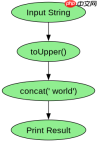
按顺序处理数据转换时,使用 thenApply 方法最合适,因为它接收输入并返回转换后的结果,保持链路的连续性。例如,将字符串转为大写后拼接后缀,只需连续调用两次 thenApply。这种方式确保每个步骤的输入严格依赖上一步的输出,且所有操作在同一个线程池上下文中串行执行(除非显式指定 Executor)。
import java.util.concurrent.CompletableFuture;
import java.util.concurrent.ExecutorService;
import java.util.concurrent.Executors;

public class ChainExample {
    public static void main(String[] args) {
        ExecutorService executor = Executors.newFixedThreadPool(4);

        CompletableFuture<string> future = CompletableFuture.supplyAsync(() -> "hello", executor)
                .thenApply(s -> s.toUpperCase())
                .thenApply(s -> s + " world")
                .thenAccept(System.out::println);

        // 等待完成
        future.join();
        executor.shutdown();
    }
}</string>
预期输出:HELLO WORLD。该程序展示了两个 thenApply 步骤,第一个将小写转大写,第二个拼接字符串,最终由 thenAccept 打印结果。整个过程无异常处理分支,因为假设输入始终有效。
如何处理链式调用中的异常
处理链式调用中的异常时,应在可能出现异常的步骤后插入 exceptionally 或 handle 方法。exceptionally 仅在发生异常时执行,而 handle 无论成功或失败都会执行,适合统一清理或日志记录。若希望异常中断后续流程,可直接让异常向上传播至 join 或 get 调用处;若希望恢复默认值,可在 exceptionally 中返回替代对象。关键在于明确异常来源,避免掩盖业务错误。


import java.util.concurrent.CompletableFuture;
import java.util.concurrent.ExecutionException;

public class ExceptionHandlingExample {
    public static void main(String[] args) {
        CompletableFuture<string> future = CompletableFuture.supplyAsync(() -> {
            if (true) throw new RuntimeException("Simulated error");
            return "success";
        })
        .thenApply(s -> s.toUpperCase())
        .exceptionally(ex -> {
            System.err.println("Caught: " + ex.getCause().getMessage());
            return "fallback";
        });

        try {
            String result = future.get();
            System.out.println("Result: " + result);
        } catch (ExecutionException e) {
            e.printStackTrace();
        }
    }
}</string>
预期输出:Caught: Simulated error 和 Result: fallback。该程序模拟了 supplyAsync 抛出异常,thenApply 不会执行,直接跳转到 exceptionally 块,返回 fallback 字符串。这验证了 exceptionally 能有效捕获上游异常并提供恢复路径。
当输入为 null 时链式行为如何表现
当输入为 null 时,CompletableFuture 链式调用的行为取决于具体方法。supplyAsync 允许返回 null,此时后续 thenApply 会收到 null 作为输入,若 Lambda 未做空值检查将抛出 NullPointerException。thenAccept 和 thenRun 不传递值,因此不受影响。allOf 组合多个 Future 时,若任一 Future 完成值为 null,不影响其他 Future 的状态。建议在 thenApply 中显式处理 null,或使用 Objects.requireNonNull 提前拦截。实际开发中,应避免从 supplyAsync 返回 null,而是返回 Optional 或特定占位符。
Java免费学习笔记:立即使用
解锁 Java 大师之旅:从入门到精通的终极指南


