在 javascript 中,class 语法的构造函数必须通过 new 调用,否则直接调用会抛出 typeerror。这是因为 class 内部的 this 绑定机制依赖于 new 操作符创建的实例对象,直接调用时 this 指向全局或 undefined,导致无法正确初始化实例属性。
为什么直接调用 class 构造函数会报错
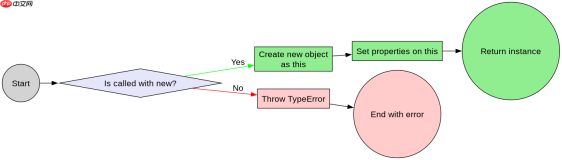
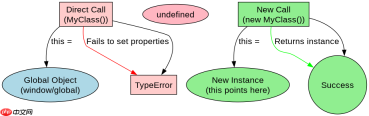
直接调用 class 构造函数会触发 TypeError,因为 class 的 this 上下文需要由 new 创建的对象提供。当使用 new 时,JavaScript 引擎自动创建一个新对象,将其作为 this 传入构造函数,并返回该对象。若省略 new,this 将指向全局对象(浏览器环境)或 undefined(严格模式),此时尝试访问或设置 this 的属性会失败。
class MyClass {
  constructor() {
    this.value = 42;
  }
}

// 正确用法:new 创建实例
const instance = new MyClass();
console.log(instance.value); // 输出: 42

// 错误用法:直接调用构造函数
try {
  MyClass();
} catch (e) {
  console.error(e.message); // 输出: Cannot call a class as a function
}
上述代码展示了两种调用方式的区别。使用 new 时,instance 是一个有效的对象,其 value 属性被正确赋值。直接调用 MyClass() 时,由于 this 未绑定到实例,JavaScript 引擎抛出 TypeError,阻止了无效的属性设置。
如何验证 new 对 this 绑定的影响
通过对比 new 调用和直接调用的 this 值,可以验证 new 对 this 绑定的关键作用。在 new 调用中,this 指向新创建的实例;而在直接调用中,this 指向全局对象或 undefined,导致属性设置失败。


class Counter {
  constructor() {
    console.log('this is:', this);
    this.count = 0;
  }
}

// 验证 new 调用
const c1 = new Counter();
// 控制台输出: this is: Counter { count: 0 }

// 验证直接调用
try {
  Counter();
} catch (e) {
  console.error(e.message);
}
在 Counter 类的示例中,new Counter() 使 this 指向新实例,count 属性成功初始化为 0。直接调用 Counter() 时,this 未绑定到实例,JavaScript 引擎抛出 TypeError,确保类的使用符合预期。
基于构造函数返回值的具体问题
如果 class 构造函数显式返回一个对象,new 调用会忽略该返回值并始终返回新创建的实例。这是 class 语法的特殊行为,与普通函数不同,后者会返回显式指定的对象。
class ReturnExample {
  constructor() {
    return { custom: 'value' };
  }
}

const obj = new ReturnExample();
console.log(obj.custom); // 输出: undefined
console.log(obj instanceof ReturnExample); // 输出: true
在 ReturnExample 类中,构造函数返回了一个自定义对象,但 new 调用仍返回新创建的实例,而非返回的对象。这体现了 class 构造函数中 this 绑定的强制性,确保实例化过程的一致性。
Java免费学习笔记:立即使用
解锁 Java 大师之旅:从入门到精通的终极指南