






spring boot 全局异常处理可以通过配置 @controlleradvice 结合自定义的 exceptionhandler 来捕获存储过程异常。具体做法是:在存储过程调用层(如使用 jdbctemplate 或 mybatis)将数据库抛出的 sqlexception 或特定 sqlstate 转换为业务异常,然后在 @controlleradvice 中统一拦截这些异常并返回标准化的 json 响应。

如何识别存储过程执行失败的具体原因
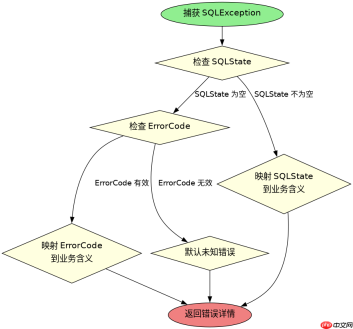
要区分存储过程内部逻辑错误与外部调用参数错误,关键在于检查 SQLException 的 getSQLState() 和 getErrorCode()。不同数据库(如 MySQL、Oracle)对存储过程错误的编码定义不同,需根据实际使用的数据库类型进行映射。
import org.springframework.jdbc.core.JdbcTemplate;
import org.springframework.stereotype.Service;

@Service
public class ProcedureService {
    private final JdbcTemplate jdbcTemplate;

    public ProcedureService(JdbcTemplate jdbcTemplate) {
        this.jdbcTemplate = jdbcTemplate;
    }

    public void callProcedure(int id, String name) {
        // 假设存储过程名为 proc_update_user
        String sql = "{call proc_update_user(?, ?)}";
        try {
            jdbcTemplate.execute(sql, cs -> {
                cs.setInt(1, id);
                cs.setString(2, name);
                return null;
            });
        } catch (Exception e) {
            // 记录日志并向上抛出,由全局异常处理器捕获
            throw new RuntimeException("存储过程执行失败", e);
        }
    }
}
当传入非法参数时,上述代码会抛出 RuntimeException,其 Cause 为 SQLException。通过检查 SQLException 的 getErrorCode(),可以判断是主键冲突、非空约束违反还是其他业务逻辑错误。
如何构建统一的错误响应结构
为了前端能够方便地解析错误信息,需要定义一个标准的错误响应对象,并在 @ControllerAdvice 中将其序列化为 JSON。这样可以确保所有异常都返回相同的结构,便于前端统一处理。


import org.springframework.http.HttpStatus;
import org.springframework.web.bind.annotation.ExceptionHandler;
import org.springframework.web.bind.annotation.ResponseStatus;
import org.springframework.web.bind.annotation.RestControllerAdvice;

@RestControllerAdvice
public class GlobalExceptionHandler {

    @ExceptionHandler(RuntimeException.class)
    @ResponseStatus(HttpStatus.INTERNAL_SERVER_ERROR)
    public ErrorResponse handleRuntimeException(RuntimeException ex) {
        // 提取原始异常信息
        Throwable cause = ex.getCause();
        String errorCode = "UNKNOWN";
        if (cause instanceof java.sql.SQLException) {
            java.sql.SQLException sqlEx = (java.sql.SQLException) cause;
            errorCode = sqlEx.getSQLState() != null ? sqlEx.getSQLState() : String.valueOf(sqlEx.getErrorCode());
        }

        return new ErrorResponse(
            HttpStatus.INTERNAL_SERVER_ERROR.value(),
            "存储过程调用失败",
            errorCode,
            ex.getMessage()
        );
    }
}

class ErrorResponse {
    private int status;
    private String message;
    private String errorCode;
    private String details;

    public ErrorResponse(int status, String message, String errorCode, String details) {
        this.status = status;
        this.message = message;
        this.errorCode = errorCode;
        this.details = details;
    }
    // getters and setters omitted for brevity
}
该示例展示了如何将 SQLException 中的 SQLState 或 ErrorCode 提取出来,放入 ErrorResponse 对象中。这样前端可以根据 errorCode 进行更精细的错误提示,例如显示“数据已存在”或“必填字段缺失”。
当存储过程返回特定错误码时如何处理
如果存储过程内部使用了 SIGNAL SQLSTATE 或类似机制返回自定义错误码,全局异常处理器可以针对这些特定错误码进行特殊处理。例如,对于错误码 '45000'(用户定义异常),可以返回特定的业务状态码。
import org.springframework.web.bind.annotation.ExceptionHandler;
import org.springframework.http.HttpStatus;
import org.springframework.web.bind.annotation.RestControllerAdvice;

@RestControllerAdvice
public class CustomProcedureExceptionHandler {

    @ExceptionHandler(java.sql.SQLException.class)
    public ErrorResponse handleSqlException(java.sql.SQLException ex) {
        String sqlState = ex.getSQLState();
        if ("45000".equals(sqlState)) {
            // 用户自定义异常,返回 BAD_REQUEST
            return new ErrorResponse(
                HttpStatus.BAD_REQUEST.value(),
                "业务规则校验失败",
                sqlState,
                ex.getMessage()
            );
        }
        // 其他 SQL 异常,返回 INTERNAL_SERVER_ERROR
        return new ErrorResponse(
            HttpStatus.INTERNAL_SERVER_ERROR.value(),
            "数据库操作失败",
            sqlState,
            ex.getMessage()
        );
    }
}
此段代码展示了如何针对特定的 SQLState 进行分支处理。在实际项目中,建议将所有常见的存储过程错误码映射到具体的业务含义,以便前端展示友好的提示信息。


