






CompletableFuture 中常见的陷阱有哪些
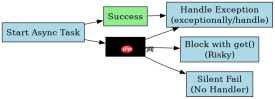
completablefuture 的常见陷阱包括:忘记处理异常导致静默失败、使用阻塞方法(如 get())破坏异步特性、忽略线程池配置导致线程饥饿,以及链式调用中的副作用干扰。解决这些问题的核心在于正确使用 exceptionally 或 handle 进行异常处理,避免在回调中阻塞,并始终显式指定自定义线程池。
如何正确捕获和处理异步异常
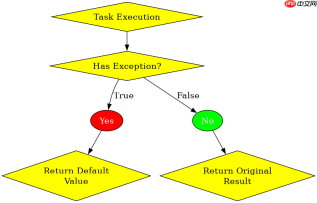
要正确处理异常,应使用 exceptionally 或 handle 方法,而不是依赖 get() 抛出的受检异常。这能确保即使异步任务失败,程序也能继续执行并获取默认值或错误信息,避免静默失败。
import java.util.concurrent.CompletableFuture;
import java.util.concurrent.ExecutionException;

public class ExceptionHandlingDemo {
    public static void main(String[] args) {
        CompletableFuture<string> future = CompletableFuture.supplyAsync(() -> {
            if (true) { // 模拟异常条件
                throw new RuntimeException("Simulated Error");
            }
            return "Success";
        });

        // 方式一:使用 exceptionally 提供默认值
        String result1 = future.exceptionally(ex -> {
            System.out.println("Caught exception: " + ex.getMessage());
            return "Default Value";
        }).join();
        System.out.println("Result 1: " + result1);

        // 方式二:使用 handle 同时处理成功和失败
        future.handle((res, ex) -> {
            if (ex != null) {
                System.out.println("Handled exception: " + ex.getMessage());
                return "Handled Default";
            }
            return res;
        }).thenAccept(System.out::println);
    }
}</string>
如何避免线程池导致的性能问题
为避免线程池问题,必须为所有异步操作显式传入自定义的 Executor,而不是依赖默认的 ForkJoinPool.commonPool()。这样可以防止长时间运行的任务阻塞其他任务,并确保资源隔离。

javascript-typescript-typescript-scaffold
下载
你是 TypeScript 项目架构专家,专注于脚手架搭建生产就绪的 Node.js 和前端应用。生成包含现代工具链(pnpm、Vite、Next.js)、类型

import java.util.concurrent.*;

public class ThreadPoolDemo {
    private static final ExecutorService customPool = Executors.newFixedThreadPool(4);

    public static void main(String[] args) {
        // 错误做法:使用 commonPool,可能因阻塞任务导致饥饿
        CompletableFuture<string> badFuture = CompletableFuture.supplyAsync(() -> {
            try { Thread.sleep(5000); } catch (InterruptedException e) {}
            return "Slow Task";
        });

        // 正确做法:使用自定义线程池
        CompletableFuture<string> goodFuture = CompletableFuture.supplyAsync(() -> {
            try { Thread.sleep(5000); } catch (InterruptedException e) {}
            return "Isolated Task";
        }, customPool);

        goodFuture.thenAccept(res -> System.out.println("Result: " + res));
        customPool.shutdown();
    }
}</string></string>
当多个 CompletableFuture 组合时如何处理结果合并
当需要合并多个 CompletableFuture 的结果时,应使用 AllOf 或 thenCombine 等方法。这能确保所有任务完成后才进行后续处理,避免部分数据缺失导致的逻辑错误。
Java免费学习笔记:立即使用
解锁 Java 大师之旅:从入门到精通的终极指南


