javascript 中 this 在继承中的行为取决于方法是在父类还是子类中定义,以及调用时绑定的对象。核心规则是:this 始终指向调用该方法的对象实例,而不是定义该方法的类。这意味着如果子类继承了父类的方法,该方法内部的 this 会指向子类的实例,从而可以访问子类特有的属性。

父类方法被子类实例调用时的 this 指向
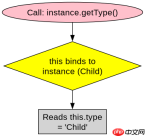
当子类通过 extends 继承父类后,父类原型上的方法会被子类实例直接调用。此时,方法体内的 this 关键字不会“锁定”在父类上,而是动态绑定到实际发起调用的子类实例上。这允许子类复用父类逻辑的同时,操作自身的数据。
class Parent {
  constructor() {
    this.type = 'Parent';
  }
  getType() {
    return this.type;
  }
}

class Child extends Parent {
  constructor() {
    super();
    this.type = 'Child';
  }
}

const instance = new Child();
console.log(instance.getType()); // 输出: "Child"
上述代码中,instance 是 Child 的实例。调用 instance.getType() 时,getType 方法在 Parent.prototype 上定义,但 this 指向 instance。因此 this.type 读取的是 Child 构造函数中设置的 'Child',而非 Parent 的 'Parent'。
子类重写父类方法后的 this 行为
如果子类重写了从父类继承的方法,并在其中使用 super.method() 调用父类版本,this 依然指向子类实例。这种机制确保了即使调用父类逻辑,上下文仍然是子类,从而能正确访问子类扩展的属性或方法。

一个基于源码的 OpenAI Agents SDK JavaScript 和 TypeScript 技术文档。涵盖了代理编排、工具、转接、追踪以及实际安装路径。

class Parent {
  constructor() {
    this.baseValue = 10;
  }
  getValue() {
    return this.baseValue;
  }
}

class Child extends Parent {
  constructor() {
    super();
    this.baseValue = 20;
  }
  getValue() {
    const parentVal = super.getValue();
    return parentVal + this.baseValue;
  }
}

const child = new Child();
console.log(child.getValue()); // 输出: 40
在 Child 的 getValue 方法中,super.getValue() 执行了 Parent.prototype.getValue 的逻辑。此时 this 仍然指向 child 实例。因此 this.baseValue 获取的是 20,而 super.getValue() 返回的也是基于 child 实例的 baseValue(即 20)。最终结果为 20 + 20 = 40。这证明了即使在父类方法内部,this 也保持对子类实例的引用。
基于子类特有属性访问的具体问题
在继承体系中,如果子类定义了父类没有的属性,父类方法能否直接访问这些属性?答案是肯定的,只要该方法被子类实例调用。因为 this 指向子类实例,所以可以通过 this 访问子类新增的属性,即使这些属性在父类定义时并不存在。
Java免费学习笔记:立即使用
解锁 Java 大师之旅:从入门到精通的终极指南