






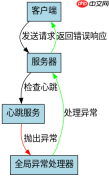
使用 @restcontrolleradvice 结合 @exceptionhandler 可以捕获心跳超时异常。具体做法是定义一个全局异常处理器类,在其中添加处理特定异常的方法,该方法接收异常对象并返回统一的错误响应格式。这样当应用中出现心跳超时时,spring boot 会自动拦截该异常并执行相应的处理逻辑。
如何配置全局异常处理器以捕获自定义异常
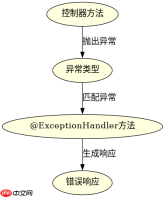
通过创建实现 HandlerExceptionResolver 接口的类或使用注解方式,可以注册全局异常处理器。推荐使用注解方式,因为它更简洁且易于维护。在处理器中指定要捕获的异常类型,并定义处理逻辑。
import org.springframework.web.bind.annotation.RestControllerAdvice;
import org.springframework.web.bind.annotation.ExceptionHandler;
import org.springframework.http.ResponseEntity;
import org.springframework.http.HttpStatus;

@RestControllerAdvice
public class GlobalExceptionHandler {

    @ExceptionHandler(HeartbeatTimeoutException.class)
    public ResponseEntity<string> handleHeartbeatTimeout(HeartbeatTimeoutException ex) {
        return ResponseEntity.status(HttpStatus.GATEWAY_TIMEOUT).body("Heartbeat timeout occurred");
    }
}</string>
如何处理不同HTTP状态码对应的异常
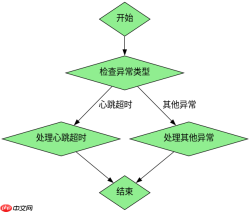
根据业务需求,可以为不同的异常设置不同的HTTP状态码。例如,对于心跳超时异常,通常返回504 Gateway Timeout状态码;而对于其他类型的异常,如参数校验失败,则可能返回400 Bad Request。这样可以使客户端更容易理解错误的性质。

import org.springframework.web.bind.annotation.RestControllerAdvice;
import org.springframework.web.bind.annotation.ExceptionHandler;
import org.springframework.http.ResponseEntity;
import org.springframework.http.HttpStatus;

@RestControllerAdvice
public class GlobalExceptionHandler {

    @ExceptionHandler(HeartbeatTimeoutException.class)
    public ResponseEntity<string> handleHeartbeatTimeout(HeartbeatTimeoutException ex) {
        return ResponseEntity.status(HttpStatus.GATEWAY_TIMEOUT).body("Heartbeat timeout occurred");
    }

    @ExceptionHandler(IllegalArgumentException.class)
    public ResponseEntity<string> handleIllegalArgument(IllegalArgumentException ex) {
        return ResponseEntity.status(HttpStatus.BAD_REQUEST).body(ex.getMessage());
    }
}</string></string>
基于程序中某个输入、条件或结果的具体问题
在实际应用中,如果心跳检测机制依赖于外部服务(如Redis),那么当该服务不可用时,可能会触发心跳超时异常。此时,除了记录日志外,还可以考虑采取一些恢复措施,比如重试连接或切换备用服务。


