




使用 trygetvalue 方法可以安全地获取枚举作为键的字典值,避免抛出异常。该方法返回一个布尔值指示键是否存在,并通过输出参数返回对应的值;若键不存在则输出参数被赋为默认值,从而确保程序在遇到未定义的枚举状态时不会崩溃。

如何处理枚举中不存在的键?
当尝试访问字典中不存在的枚举键时,直接通过索引器 [] 会抛出 KeyNotFoundException。使用 TryGetValue 可以在访问前检查键的存在性,如果键不存在,它不会抛出异常,而是将输出参数设置为该值类型的默认值(例如 0 或 null),从而实现安全的降级处理。

using System;
using System.Collections.Generic;

public enum Status { Active, Inactive }

class Program {
    static void Main() {
        var dict = new Dictionary<status string> {
            { Status.Active, "Running" },
            { Status.Inactive, "Stopped" }
        };

        // 安全获取存在的键
        if (dict.TryGetValue(Status.Active, out string value)) {
            Console.WriteLine(value);
        } else {
            Console.WriteLine("Default");
        }

        // 安全获取不存在的键
        if (dict.TryGetValue((Status)99, out string missingValue)) {
            Console.WriteLine(missingValue);
        } else {
            Console.WriteLine("Not Found");
        }
    }
}</status>
如何初始化字典以支持所有枚举值?
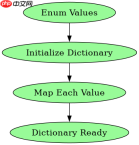
可以通过遍历 Enum.GetValues 来预填充字典,确保每个枚举成员都有对应的条目。这种方法消除了运行时检查键存在性的需求,因为所有可能的枚举值都已预先映射到具体数据。这种方式适用于枚举值较少且固定不变的场景,能够简化后续的值获取逻辑。

using System;
using System.Collections.Generic;

public enum Color { Red, Green, Blue }

class Program {
    static void Main() {
        var dict = new Dictionary<color string>();
        foreach (Color c in Enum.GetValues(typeof(Color))) {
            dict[c] = $"Color: {c}";
        }

        // 现在可以直接使用索引器,无需 TryGetValue
        Console.WriteLine(dict[Color.Red]);
    }
}</color>
基于程序中某个输入、条件或结果的具体问题
在上述代码中,当使用 (Status)99 作为键时,由于该值不在 Status 枚举的定义范围内,但它是有效的整数转换,因此可以作为字典的键。然而,由于字典中未包含此键,TryGetValue 将返回 false,并将 missingValue 设置为 null(因为 string 是引用类型)。这展示了即使键是非法枚举值,只要它是有效的对象实例,字典就能正确处理其缺失情况。