php中判断字符串是否以指定内容开头或结尾,最直接的方法是使用内置函数 str_starts_with() 和 str_ends_with()。这两个函数分别用于检查字符串的前缀和后缀匹配,返回布尔值。对于需要兼容旧版本 php 的场景,可以使用 substr() 截取子串并与目标字符串进行比较,或者使用正则表达式 preg_match() 进行模式匹配。
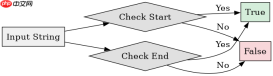
str_starts_with() 如何判断前缀匹配
str_starts_with() 函数接受两个参数:待检测的字符串和要查找的前缀。如果字符串以指定的前缀开始,则返回 true,否则返回 false。该函数在 PHP 8.0 及以上版本中可用,是处理前缀判断的首选方法,因为它比手动截取子串更高效且语义更清晰。
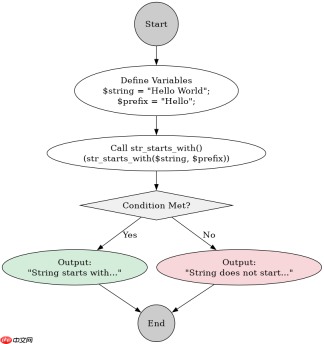
$string = "Hello World";
$prefix = "Hello";

if (str_starts_with($string, $prefix)) {
    echo "String starts with the prefix.";
} else {
    echo "String does not start with the prefix.";
}
上述代码将输出 "String starts with the prefix.",因为 $string 确实以 Hello 开头。如果将 $prefix 改为 World,则条件不成立,会输出 "String does not start with the prefix."。
str_ends_with() 如何判断后缀匹配
str_ends_with() 函数同样接受两个参数:待检测的字符串和要查找的后缀。如果字符串以指定的后缀结束,则返回 true,否则返回 false。与 str_starts_with() 类似,该函数也在 PHP 8.0 及以上版本中引入,提供了简洁且高效的后缀检查能力。

使用官方Model Context Protocol PHP SDK将PHP应用程序功能暴露为MCP工具、资源和提示,用于代理工作流。
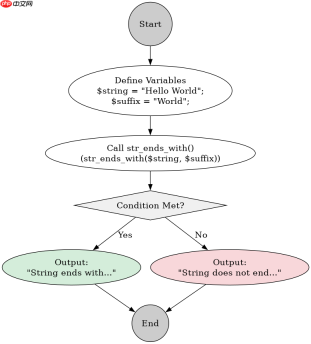
$string = "Hello World";
$suffix = "World";

if (str_ends_with($string, $suffix)) {
    echo "String ends with the suffix.";
} else {
    echo "String does not end with the suffix.";
}
上述代码将输出 "String ends with the suffix.",因为 $string 确实以 World 结尾。如果将 $suffix 改为 Hello,则条件不成立,会输出 "String does not end with the suffix."。
当使用 substr() 进行兼容性判断时需要注意什么
在使用 substr() 进行兼容性判断时,需要注意字符串长度不足的情况以及空字符串的处理。如果字符串长度小于要截取的部分,substr() 可能会返回 false 或空字符串,导致比较结果不符合预期。此外,空字符串作为前缀或后缀时,任何字符串都应以空字符串开头或结尾,但 substr() 的行为可能因实现而异,需特别小心。
php免费学习视频:立即使用
踏上前端学习之旅,开启通往精通之路!从前端基础到项目实战,循序渐进,一步一个脚印,迈向巅峰!