






java 中字符串判断优先选 switch,因为它是为多路分支设计的,代码更简洁且性能更好。具体做法是将字符串变量作为 switch 的表达式,用 case 匹配具体的字面量值,并在每个分支处理逻辑后使用 break 防止穿透。若遇到 null 值,需先做非空检查或使用 objects.equals() 辅助判断,避免抛出 nullpointerexception。

switch 对字符串的具体执行机制是什么
switch 在处理字符串时,底层会调用 hashCode() 进行初步筛选,再通过 equals() 确认精确匹配。这种机制使得它在处理多个固定字符串选项时,比一连串的 if-else 更高效。编译器会将字符串常量转换为哈希表或查找表结构,从而将时间复杂度从线性降低到常数级别。对于只有两个值的简单判断,if 依然适用,但超过三个选项时,switch 的优势明显。
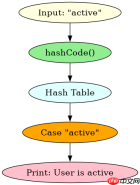
public class StringSwitchDemo {
    public static void main(String[] args) {
        String status = "active";
        // 模拟不同输入
        processStatus(status);
        processStatus("inactive");
        processStatus(null);
    }

    public static void processStatus(String status) {
        if (status == null) {
            System.out.println("Status is null");
            return;
        }
        switch (status) {
            case "active":
                System.out.println("User is active");
                break;
            case "inactive":
                System.out.println("User is inactive");
                break;
            case "pending":
                System.out.println("User is pending");
                break;
            default:
                System.out.println("Unknown status");
                break;
        }
    }
}
运行上述代码,当输入为 "active" 时输出 User is active;输入 "inactive" 时输出 User is inactive;输入 null 时输出 Status is null。这验证了 switch 对字符串的精确匹配能力以及 null 处理的必要性。
字符串比较中 == 和 equals() 的区别如何影响选择
在 if 语句中进行字符串判断时,必须使用 equals() 方法而非 == 运算符。== 比较的是内存地址,而 equals() 比较的是内容。如果使用 == 配合 switch,编译器会报错,因为 switch 要求常量必须是编译期确定的字面量。因此,当需要基于字符串内容进行多路分支时,switch 是更安全且语义更清晰的选择。此外,switch 支持 String 类型自 Java 7 起,无需手动转换即可直接使用。

使用 Husky 将 pre-commit、pre-push 和 commit-msg 检查集成到仓库中,以便代理和开发人员在更改离开工作站之前运行相同的本地防护措施。

public class StringComparisonDemo {
    public static void main(String[] args) {
        String s1 = new String("test");
        String s2 = "test";

        // 错误示范:switch 不支持变量或非字面量
        // switch (s1) { ... } // 编译错误,除非 s1 是 final 常量

        // 正确用法:equals 用于 if,switch 用于多路分支
        if (s1.equals(s2)) {
            System.out.println("Content matches");
        }

        switch (s2) {
            case "test":
                System.out.println("Switch matched");
                break;
        }
    }
}
该程序展示了 s1 和 s2 内容相同但地址不同。使用 equals() 能正确识别内容匹配,而 switch 仅接受编译期常量或最终变量。这强调了在字符串判断中,语义一致性的重要性。
如何处理 switch 中的 null 值以避免异常
在 switch 语句中直接传入 null 会导致 NullPointerException。为了避免这种情况,应在进入 switch 之前添加 null 检查。可以使用 if (str == null) 或 Objects.requireNonNull() 来确保安全性。另一种策略是使用默认分支捕获未预期的值,但这不能替代 null 检查,因为 default 不会处理 null 引发的异常。最佳实践是在业务逻辑入口处统一处理 null,保持 switch 块内部的整洁。
Java免费学习笔记:立即使用
解锁 Java 大师之旅:从入门到精通的终极指南


