






在 javascript 中实现异步操作的错误过滤,核心做法是利用 promise 链式调用中的 .catch() 或 try...catch 块来捕获异常,并在处理函数内部通过条件判断来决定是忽略该错误还是继续抛出。具体而言,你可以在 .catch() 回调中检查错误对象的类型或属性(例如 error.code === 'enoent'),如果符合预期的“可忽略”条件,则直接返回一个默认值或空 promise;否则重新抛出错误以中断后续流程。这样做可以确保只有特定的、已知的非致命错误被过滤掉,而其他未知错误仍能触发全局错误处理机制。

如何区分并过滤特定类型的网络请求错误?
要过滤特定的网络请求错误,需要在 .catch() 中检查错误实例的属性,如 response.status 或 error.name。对于 fetch API,网络断开等错误通常没有 response 对象,而 HTTP 404 等状态码错误会有完整的 response。通过判断这些属性,可以精准地只过滤掉 404 错误,而保留其他如 500 错误或网络断开的错误。
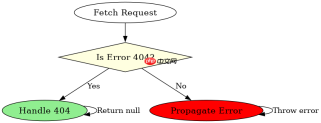
async function fetchWithFilter(url) {
  try {
    const response = await fetch(url);
    if (!response.ok) {
      throw new Error(`HTTP error! status: ${response.status}`);
    }
    return await response.json();
  } catch (error) {
    // 过滤 404 错误
    if (error.message.includes('404')) {
      console.log('Resource not found, filtering out.');
      return null; // 返回默认值,相当于过滤了错误
    }
    // 其他错误继续抛出
    throw error;
  }
}

// 测试用例
fetchWithFilter('https://api.example.com/data').then(data => console.log(data));
fetchWithFilter('https://api.example.com/missing').then(data => console.log(data));
如何在 Promise 链中统一处理并过滤重复出现的超时错误?
当多个异步操作可能因超时失败时,可以在每个操作的 .catch() 中检查错误消息是否包含 "Timeout" 或类似标识。如果匹配,则返回一个重试逻辑或直接返回默认数据,从而避免整个链因单个超时而崩溃。这种模式适用于需要高可用性的批量数据处理场景,其中个别请求的暂时性超时不应影响整体流程。

在代码库出现结构漂移之前,扫描JS或TS代码库中的禁止导入、循环依赖、孤立模块和其他依赖规则违规情况。

function withTimeout(promise, ms) {
  const timeout = new Promise((_, reject) =>
    setTimeout(() => reject(new Error('Timeout')), ms)
  );
  return Promise.race([promise, timeout]);
}

async function batchFetch(urls) {
  const results = [];
  for (const url of urls) {
    try {
      const data = await withTimeout(fetch(url), 2000);
      results.push(await data.json());
    } catch (error) {
      if (error.message === 'Timeout') {
        console.log(`Skipped timeout for ${url}`);
        results.push(null); // 过滤超时,记录为 null
      } else {
        throw error; // 其他错误不处理
      }
    }
  }
  return results;
}

batchFetch(['https://api.example.com/a', 'https://api.example.com/b']).then(console.log);
基于程序中某个输入、条件或结果的具体问题:当 catch 块返回 undefined 时,后续 then 会收到什么?
当 .catch() 或 try...catch 块中没有显式返回值(即隐式返回 undefined)时,后续的 .then() 接收到的值是 undefined。这意味着错误被“消化”了,但并没有提供任何有意义的替代数据。开发者应明确返回一个默认值(如 null、空对象或空数组),以确保下游逻辑能正确处理这种情况,而不是意外接收到 undefined 导致运行时错误。
Java免费学习笔记:立即使用
解锁 Java 大师之旅:从入门到精通的终极指南





